The check most buyers skip
When someone decides to purchase an electric vehicle, the research process usually covers range, charging speed, total cost of ownership, and available incentives. The electrical panel at home rarely makes the checklist. That gap between EV purchase research and home electrical readiness creates the most common first-time owner frustration. An older Minnesota home may have a 100 amp service that is mostly consumed by existing loads. A newer home may have a 200 amp panel with available capacity. The difference can mean hundreds to thousands of dollars in project scope, and it affects which charger options are practical.
What a panel check actually involves
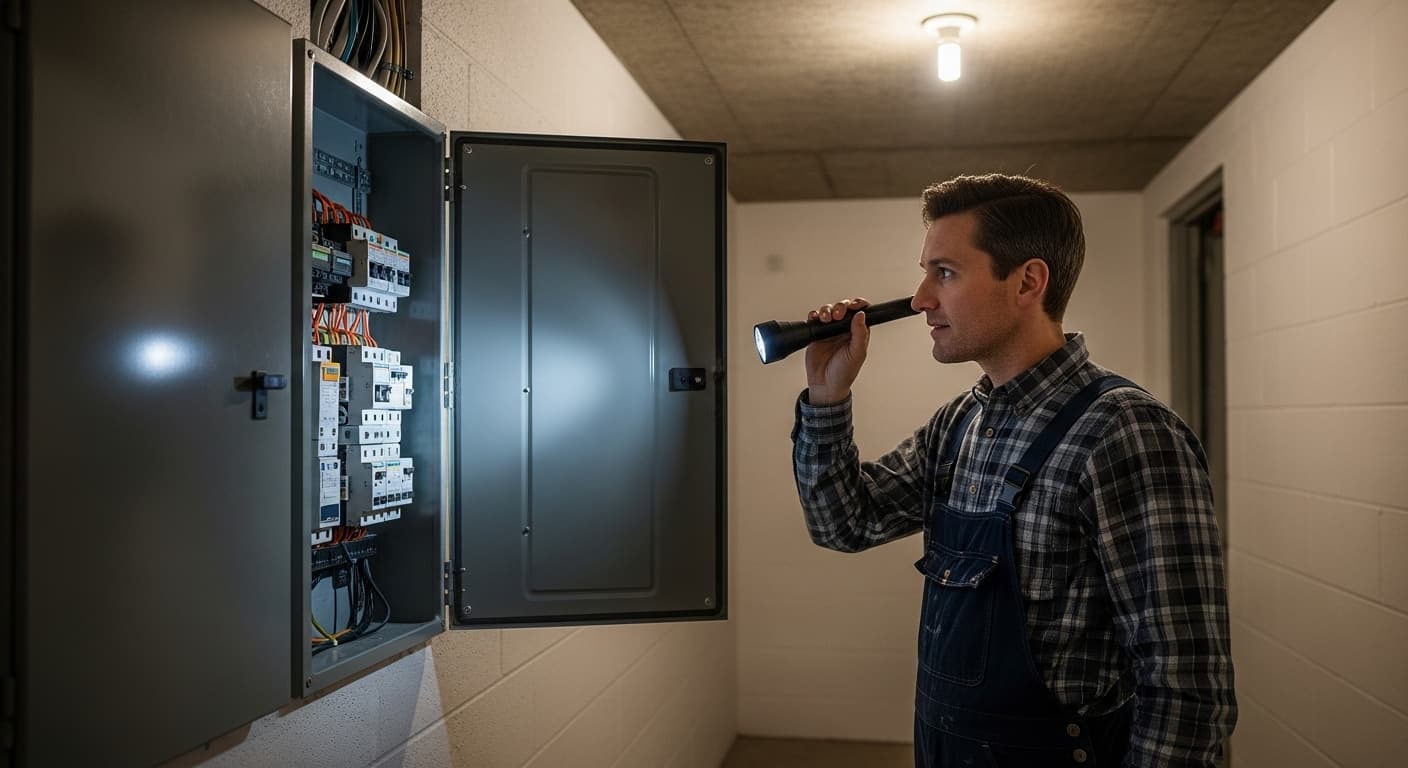
A basic panel check does not require an electrical inspection or a service call. It starts with opening the main panel door and noting a few visible details. The main breaker size is usually printed on the main breaker and on a label inside the panel. Common residential values in Minnesota are 100 amps, 150 amps, and 200 amps. The available breaker spaces indicate whether new circuits can be added without modifications. Existing double pole breakers for large appliances like electric ranges, dryers, air conditioners, and electric water heaters indicate how much of the existing capacity is already spoken for.
The situations that add scope to the project
Four scenarios consistently add complexity to an EV charger installation. First, a 100 amp service that is near or at capacity may require a panel upgrade or load management. Second, a detached garage often involves a separate feeder assessment. The subpanel feeding the detached structure may not have enough capacity for a dedicated EV circuit. Third, a finished garage with drywall changes the conduit routing options and adds labor. Fourth, an older home with aluminum branch circuit wiring may trigger additional review at inspection.
Why Minnesota homes have more panel variation than buyers expect
Minnesota's housing stock spans a wide range of electrical service ages. Homes built before 1960 may have 60 amp or 100 amp service that was never upgraded. Post-war neighborhoods in Minneapolis, Richfield, and South St. Paul have dense concentrations of older panels. Suburban neighborhoods built in the 1970s and 1980s often have 150 amp service. Homes built after 1990 typically have 200 amp service. The panel check makes the starting point visible before the car purchase adds urgency to the timeline.
What to do if the panel looks complicated
A panel that looks crowded or limited does not mean an EV charger is not feasible. It means the planning step is more important. Load management technology can allow an EV circuit to be installed while keeping the overall panel load within safe limits by throttling the charger when other high demand loads are running. A smaller EV circuit may also be practical if the vehicle does not need high amperage. The key is to have a load calculation done before the car arrives, so the options are clear.
The pre-purchase timeline that makes everything easier
An EV purchase process typically runs several weeks from initial deposit to delivery. That window is the right time to schedule a home charging review. A brief site assessment can usually be done in under an hour. If the panel is straightforward, the installation can be scheduled well ahead of delivery and completed before the car arrives. If the panel review reveals complexity, there is time to get a scope and understand the cost before the car arrives.
The conversation that prevents the most frustration
The most common thing new EV owners say after discovering a panel issue is that they wish someone had told them earlier. An installer who reviews the panel during a quick site visit can usually describe the situation clearly, give a realistic cost range for the electrical scope, and explain which options exist. That information turns a stressful post-delivery discovery into an informed pre-purchase decision. The panel check deserves the same careful attention as the range estimate and tax credit calculation — because it directly determines what the first week of EV ownership will feel like.
Next step
Ready to plan your install?
Validate panel capacity, circuit path, and mounting location before installation day. Get a clear scope in writing.