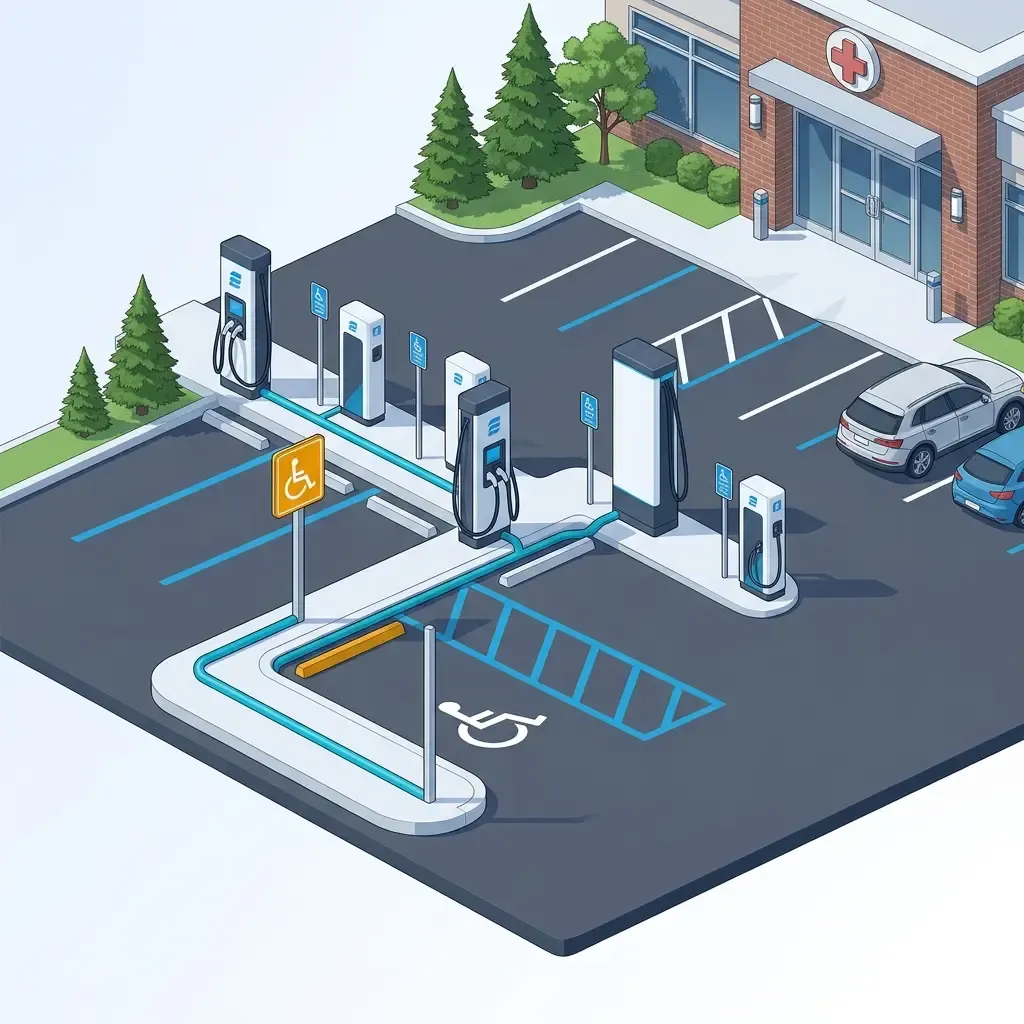
We added chargers at our clinic for patients and staff. They understood our scheduling constraints, worked around patient hours, and the project was done without a single day of disruption to our practice.
Healthcare property charging
EV Charging for Healthcare Facilities in Minnesota. Planned for Patients, Staff, and Low Disruption.
Add EV charging to your hospital, clinic, or medical campus with a deployment planned for patient flow, staff shift patterns, and zero disruption to healthcare operations.
Why homeowners choose us
- Work around patient hours — Zero-disruption planning
- Staff and patient charging — Dual-purpose deployment
- Hospitals, clinics, medical offices — Facility types
5-Star Rated200+ reviews










Common problems, solved
EV charging issues we fix every day
Most EV charging problems come down to a handful of root causes. Here's how we diagnose and resolve each one.
About this service
EV Charging for Healthcare Facilities
This page is specifically for hospitals, clinics, and medical campuses: patient access, staff shift charging, ADA placement, and low-disruption construction planning for healthcare environments.
Every project starts with a site walkthrough — we assess your panel capacity, confirm the best charger placement, and plan the wire run before any work begins. That upfront planning is what prevents the cut corners and rework that show up later as tripped breakers, undersized circuits, or a charger mounted where the cable barely reaches the car.
Charger selection matters as much as the installation itself. We match the charger level, amperage, and connector type to your vehicle, your daily mileage, and your panel's available capacity — not whatever happens to be in stock. A correctly sized circuit means faster overnight charging, no nuisance trips, and headroom for a second vehicle later.
Our installations are permitted, inspected, and fully documented. We pull the permit, schedule the inspection with your local Authority Having Jurisdiction, and hand you a copy of the completed work. That matters for insurance, resale, and any future warranty claim on the charger itself.
After installation we walk you through the charger app, load-management settings if applicable, and any utility rebate paperwork you qualify for. Most Minnesota utilities offer incentives for Level 2 home charging equipment — we make sure you don't leave money on the table.
Healthcare facility projects require coordination with facilities management, infection control where applicable, and local permitting authorities. We work within your facility’s operational and access protocols.
What's included
- Facility walk with parking flow and electrical capacity assessment
- Separate staff and patient charging zone design
- Charger count and type matched to shift length and appointment dwell time
- Construction scheduling around patient hours and peak census periods
- Networked charger platform with access controls and usage reporting
- ADA-compliant charger placement and signage
- Bollard protection and weatherproofing for outdoor installations
- Permit application and inspection coordination
Pricing snapshot
Small clinic deployment (2–4 ports)Must
Single-building facilities with nearby panel and surface parking
$12,000–$35,000
Mid-size facility deployment (5–12 ports)Optional
Hospitals or campuses with dual-zone staff and patient charging
$35,000–$110,000
Large campus deploymentOptional
Multi-building medical campuses with phased rollout and infrastructure planning
$110,000+
How it works
A clear, step-by-step process from first contact to a commissioned commercial charging deployment.
 01
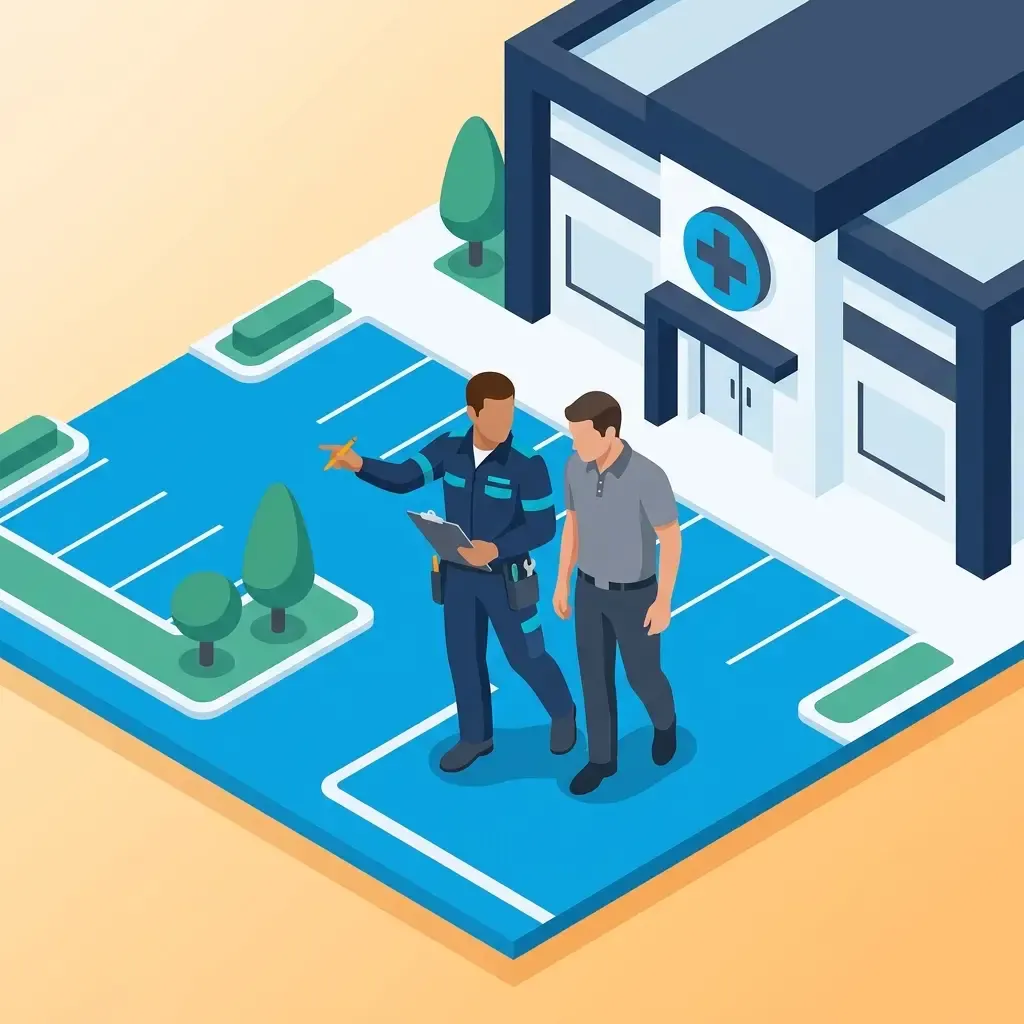
01Facility walk and operational assessment
We assess parking, electrical capacity, patient flow, and staff shift patterns — then recommend charger zones, count, and a construction schedule that avoids patient disruption.
 02
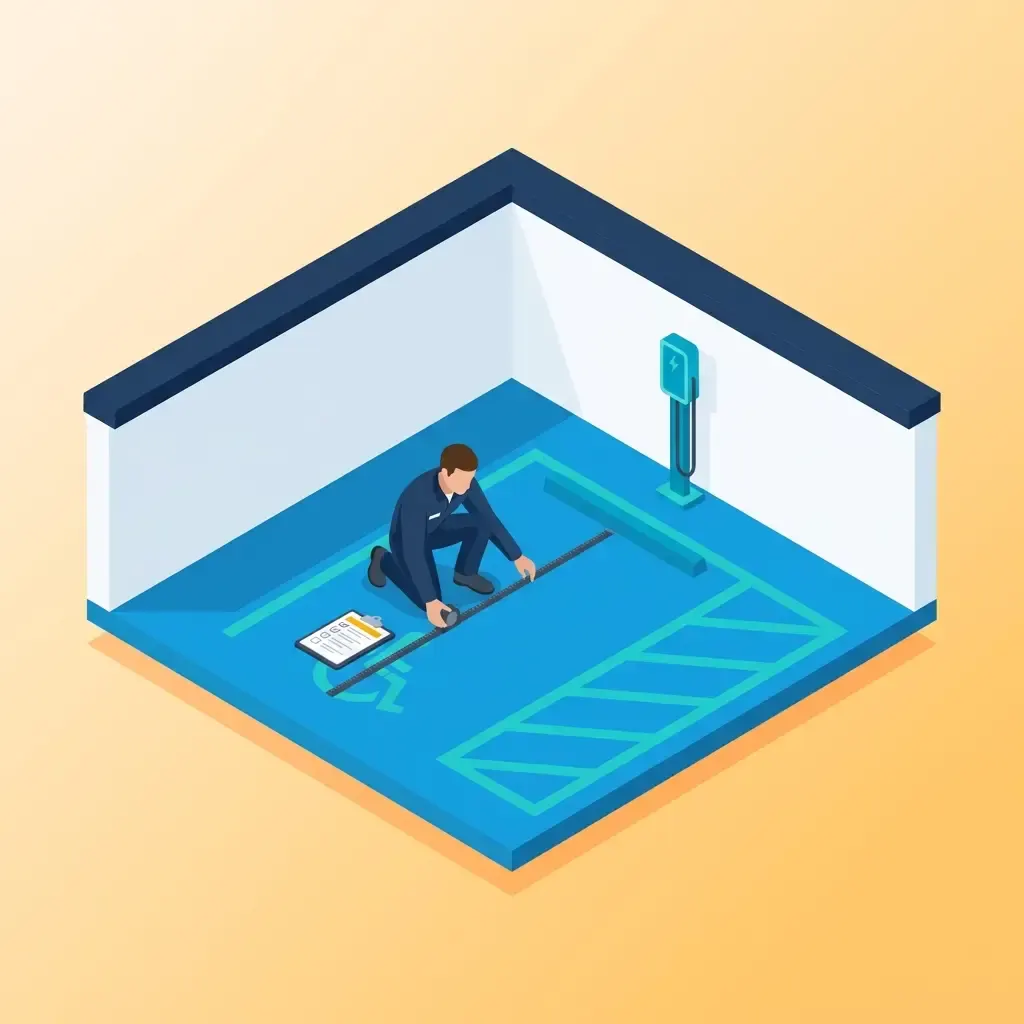
02Deployment proposal
Written proposal with dual-zone design, itemized costs, platform options, ADA compliance plan, and phased expansion path.
 03
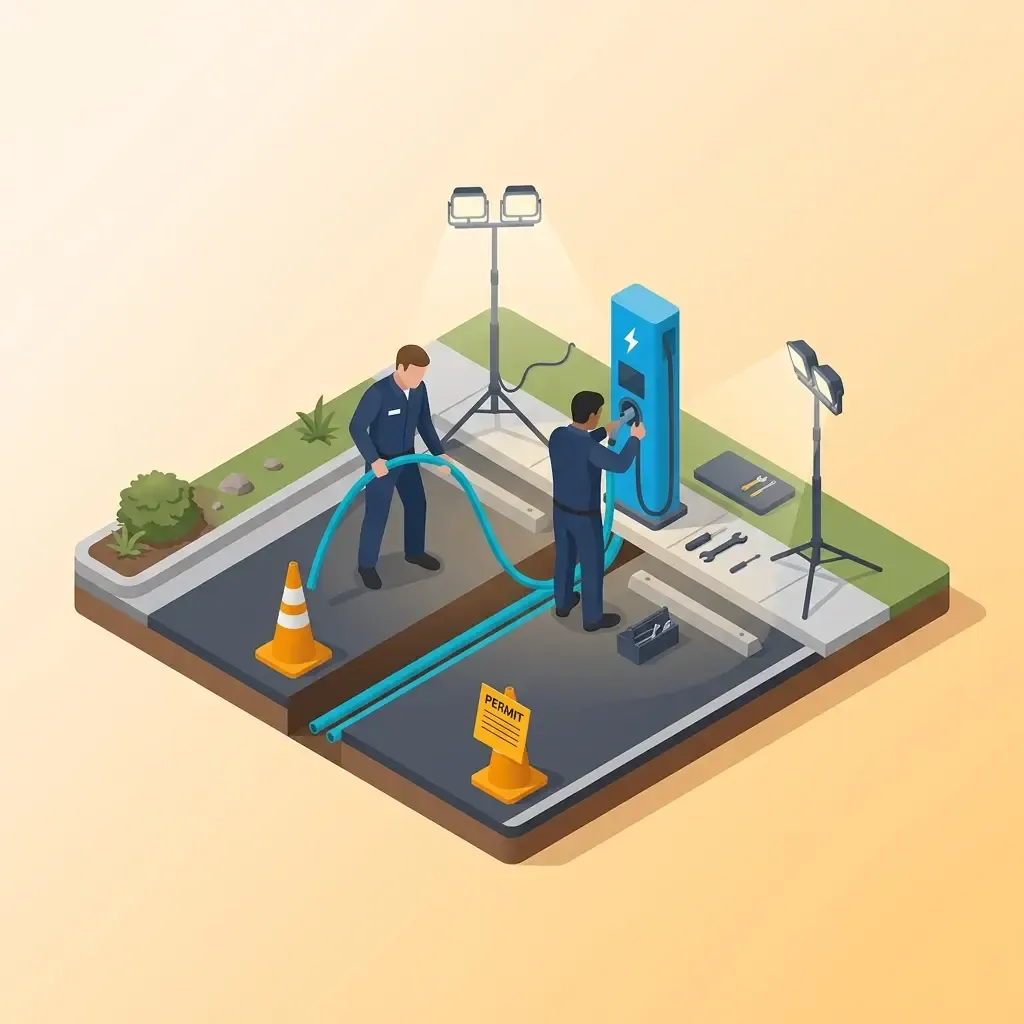
03Coordinated installation
We work within your facility’s operational hours, coordinate with facilities management, and complete electrical work in scheduled phases.
 04
04Commissioning and staff onboarding
Chargers tested, access controls configured, signage installed, and your facilities and HR teams walked through the system before go-live.
Why Minnesota EV Charger Installation
Built for EV charging.
Not adapted to it.
We started Minnesota EV Charger Installation in 2010 because EV drivers deserved specialists, not electricians moonlighting between bathroom rewires. Fifteen years and 4,200+ installs later, that commitment hasn't changed — and neither has our focus.
- 15 years — EV charging only
- Permitted, inspected & documented
- Right-sized for your panel and your next EV
- Rebates handled for you
- Straight scope, firm price

Frequently asked questions
Answers designed to move high-intent buyers toward the next step with confidence.
Yes. We schedule all trenching, heavy electrical work, and parking closures during facility-designated low-census windows — typically evenings, weekends, or periods identified by your facilities team. The work is phased so that parking zones remain available to patients throughout the project. We coordinate the construction schedule with your operations team before work begins and adjust in real-time if facility needs change.
Most healthcare facilities see the highest return from staff charging first. Employees park for 8–12 hour shifts, which means Level 2 chargers deliver a full charge every shift — maximizing charger utilization and employee benefit value. Patient charging is a valuable amenity, but appointment dwell times of 1–3 hours deliver less charging per session. We typically recommend starting with staff and adding patient chargers in phase two once staff utilization validates the investment.
No. We coordinate with your facilities team to ensure all EV charger circuits are isolated from critical medical systems, emergency power circuits, and life-safety equipment. The charger circuits are fed from a separate distribution panel or sub-panel, and we verify that the installation does not affect power quality or emergency backup systems. All work is planned and reviewed with your facilities engineering team before installation begins.
Yes. Any EV charging stalls accessible to the public — including patient parking — must meet ADA accessibility requirements. This includes stall dimensions, charger mounting height, cable reach and management, surface grade, and signage. We design all patient-facing installations to meet federal ADA standards and any additional Minnesota accessibility requirements as standard, and we can advise on staff-only installations where ADA applicability depends on facility policy.
Networked charger platforms support role-based access controls. Staff chargers can be restricted by employee badge, RFID, or app-based authentication. Patient chargers can be configured as open-access or app-initiated. We set up separate access policies, usage tracking, and reporting for each zone so your facilities team can monitor utilization and manage the program from a single dashboard.
What customers say about our EV Charging for Healthcare Facilities service
Real reviews from homeowners and businesses across the Twin Cities metro.
Our urgent care facility needed ADA-compliant charger placement and zero noise during operating hours. They scheduled all heavy work before 7 AM and after 6 PM. Patients never noticed construction was happening.
Hospital campus with separate staff and visitor lots. They designed a phased rollout — staff lot first, visitor lot in Q2 — so the budget was manageable. Both phases passed inspection on the first attempt.
Our dental practice wanted to offer charging as a patient amenity. Two chargers in the patient lot, clean install, and the signage matches our brand. Patients with 60-to-90-minute appointments get a meaningful charge.
Scope a healthcare charging project
Share your facility type, parking layout, and staff or patient charging goals for a tailored proposal.