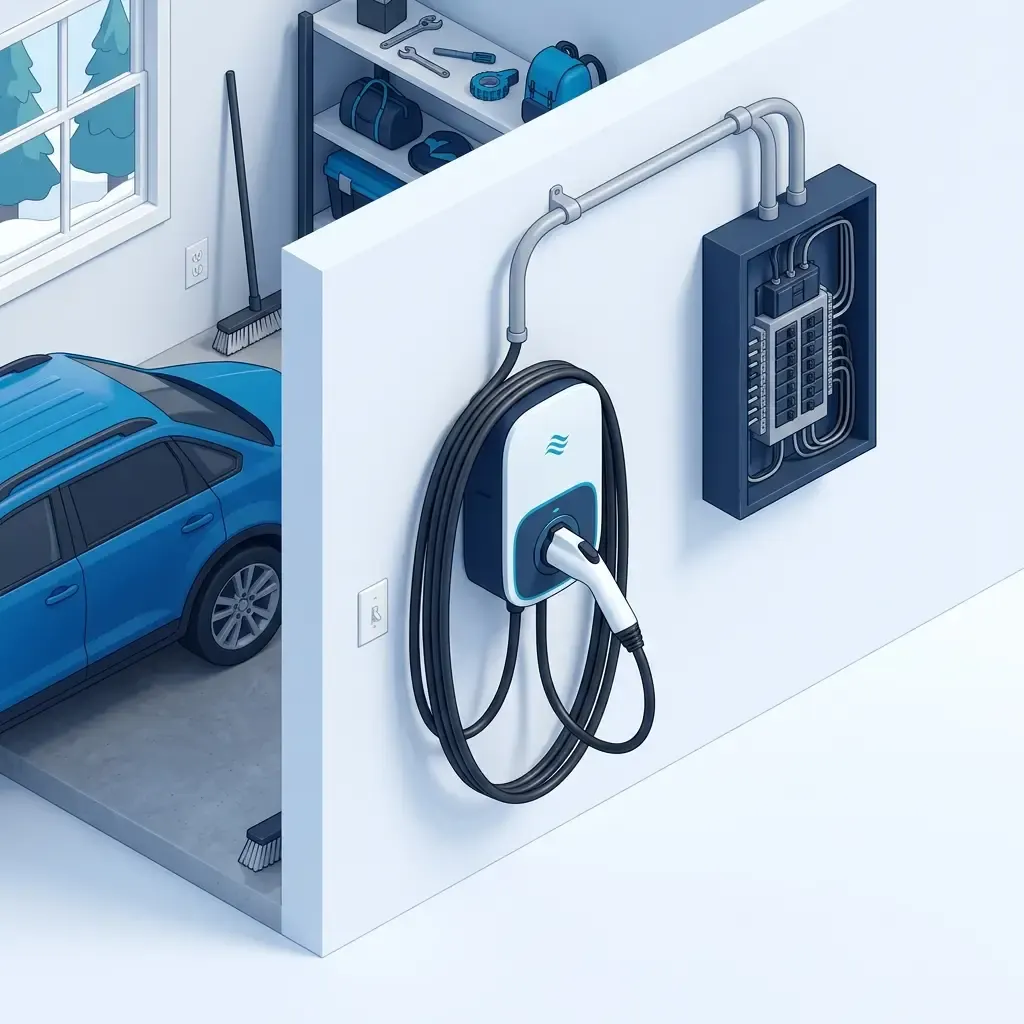
Needed Level 2 charging after running an extension cord for too long. The team sized the circuit for my Polestar, routed conduit cleanly, and finished in one morning. Full charge every night. Permit closed within days.
Faster charging at home
Level 2 Charger Installation in Minnesota. Reliable Overnight Charging at Home.
Upgrade from slow Level 1 charging to a properly sized Level 2 setup designed around your panel limits, driving pattern, and utility rate plan.
Why homeowners choose us
- Typically 4x–8x faster than Level 1 — Charging speed upgrade
- Hardwired or outlet-based options — Install approach guidance
- Rate-aware schedule setup — Off-peak charging strategy
5-Star Rated200+ reviews










Common problems, solved
EV charging issues we fix every day
Most EV charging problems come down to a handful of root causes. Here's how we diagnose and resolve each one.
About this service
Level 2 Charger Installation
This page focuses on technical Level 2 decisions — 240V circuit sizing, hardwired vs outlet installation, and amperage selection for reliable overnight charging.
Every project starts with a site walkthrough — we assess your panel capacity, confirm the best charger placement, and plan the wire run before any work begins. That upfront planning is what prevents the cut corners and rework that show up later as tripped breakers, undersized circuits, or a charger mounted where the cable barely reaches the car.
Charger selection matters as much as the installation itself. We match the charger level, amperage, and connector type to your vehicle, your daily mileage, and your panel's available capacity — not whatever happens to be in stock. A correctly sized circuit means faster overnight charging, no nuisance trips, and headroom for a second vehicle later.
Our installations are permitted, inspected, and fully documented. We pull the permit, schedule the inspection with your local Authority Having Jurisdiction, and hand you a copy of the completed work. That matters for insurance, resale, and any future warranty claim on the charger itself.
After installation we walk you through the charger app, load-management settings if applicable, and any utility rebate paperwork you qualify for. Most Minnesota utilities offer incentives for Level 2 home charging equipment — we make sure you don't leave money on the table.
Local recommendations include utility-plan awareness and common residential permitting standards.
What's included
- Charger selection guidance by vehicle and amperage
- Dedicated 240V circuit planning
- Hardwired or outlet-based installation
- Performance testing and commissioning
- Safety labeling and homeowner handoff
Pricing snapshot
Hardwired Level 2 installMust
Preferred for higher amperage and cleaner permanent setups
$1,350–$2,400
Outlet-based Level 2 installOptional
Suitable where receptacle-based charger setup makes sense
$1,100–$1,900
Advanced smart load managementOptional
For constrained service capacity or dual charger planning
$2,800–$5,500
How it works
A clear, step-by-step process from first contact to charging at home.
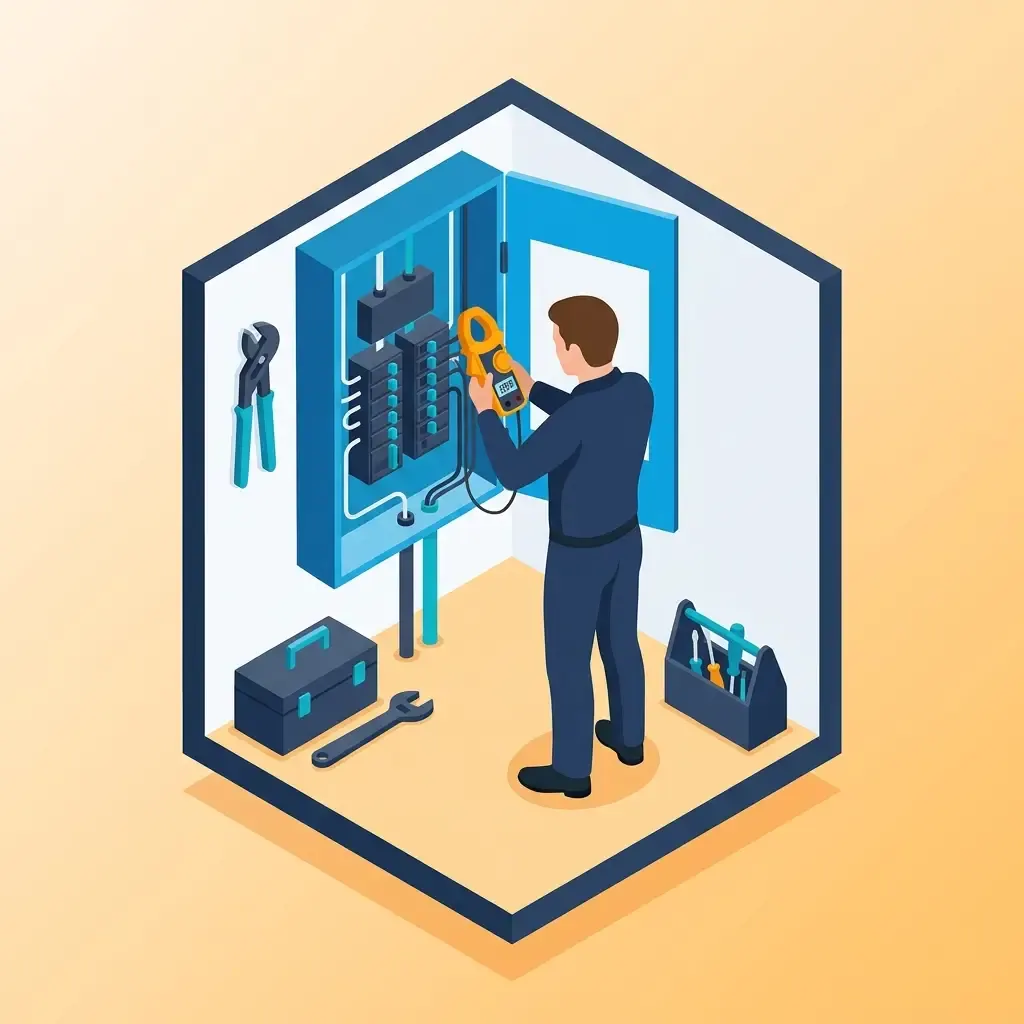 01
01Panel and goals review
We assess your panel headroom, daily mileage, and charging goals to size the circuit correctly.
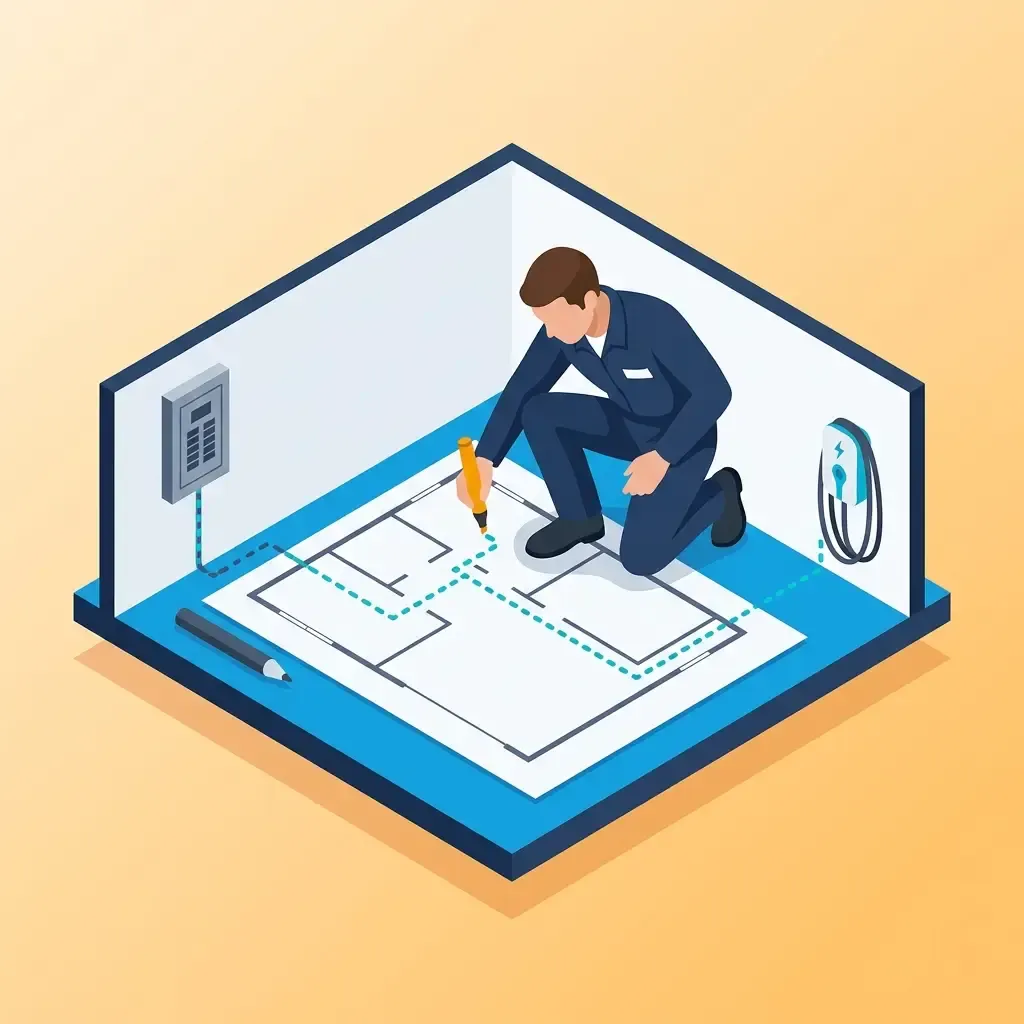 02
02Charger recommendation
We recommend hardwired or outlet-based installation and the right amperage for your setup.
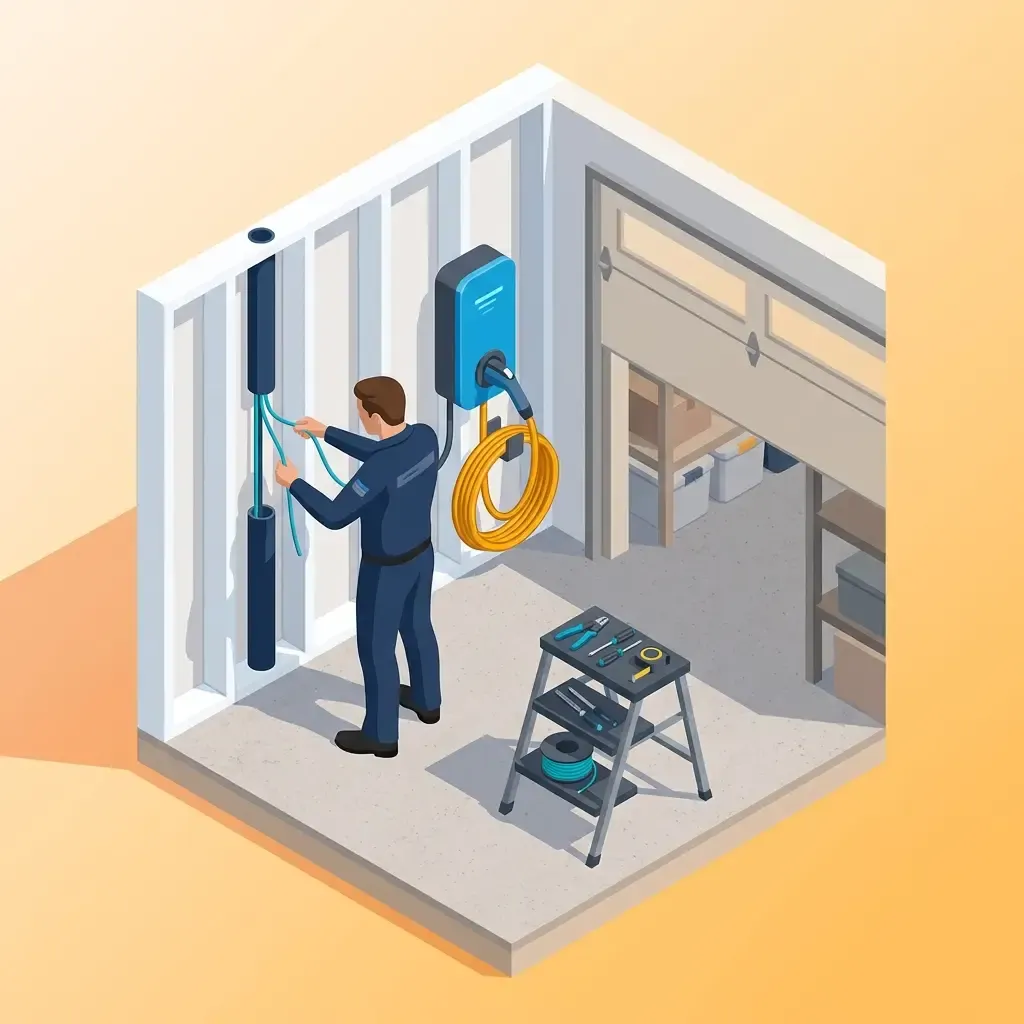 03
03Circuit and charger install
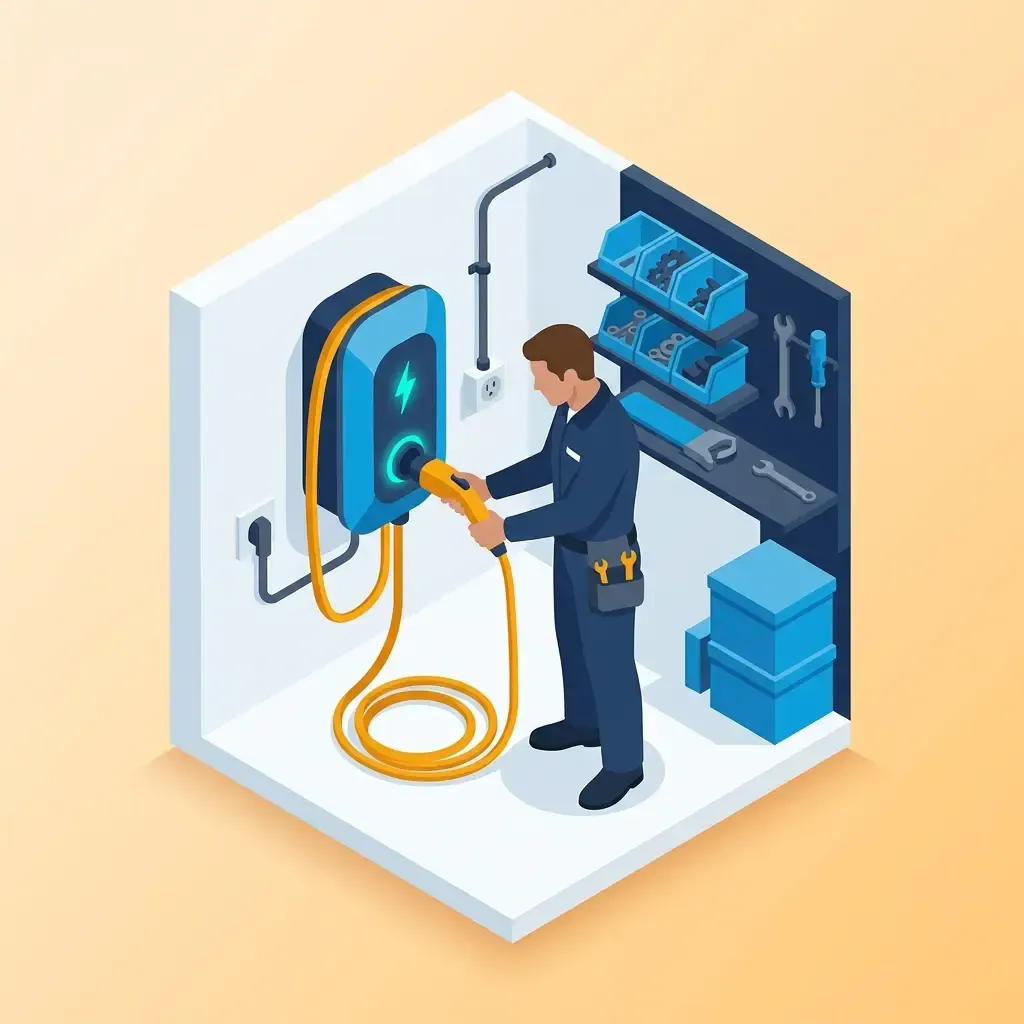
Dedicated 240V circuit, correct wire gauge, and charger mounted and commissioned.
 04
04Test and handoff
Charging performance verified, schedule configured, and documentation provided.
Why Minnesota EV Charger Installation
Built for EV charging.
Not adapted to it.
We started Minnesota EV Charger Installation in 2010 because EV drivers deserved specialists, not electricians moonlighting between bathroom rewires. Fifteen years and 4,200+ installs later, that commitment hasn't changed — and neither has our focus.
- 15 years — EV charging only
- Permitted, inspected & documented
- Right-sized for your panel and your next EV
- Rebates handled for you
- Straight scope, firm price

Frequently asked questions
Answers designed to move high-intent buyers toward the next step with confidence.
A hardwired charger is permanently wired into your electrical system — no outlet involved. It supports higher amperage (up to 80A) and is the cleaner, more permanent option for most Minnesota homeowners. A plug-in setup uses a NEMA 14-50 or NEMA 6-50 outlet that the charger plugs into, which is convenient if you want to take the charger with you when you move. Plug-in installs cap out at roughly 40A. We recommend the right method based on your amperage needs, parking setup, and whether you plan to stay in the home long-term.
Level 1 charging from a standard 120V outlet adds roughly 3–5 miles of range per hour — meaning a 300-mile EV battery takes 60–80 hours to charge from empty. A Level 2 setup at 40A adds 25–35 miles per hour, and at 48A you gain 35–45 miles per hour. For most Twin Cities drivers with a typical 40–60 mile daily commute, a Level 2 charger means waking up to a full battery every morning regardless of what time you plugged in.
Level 2 charging itself does not use less energy than Level 1 — both deliver roughly the same kWh per mile. The cost advantage comes from control. A Level 2 charger with scheduling lets you charge exclusively during Xcel Energy or Minnesota Power off-peak windows, which are typically midnight to 6 a.m. on time-of-use plans. That window can reduce charging cost by 30–50% compared to charging whenever you get home. We configure the off-peak schedule during installation so savings start from day one.
The right amperage depends on your vehicle model and panel headroom. Tesla Model 3 and Y accept up to 48A. Ford F-150 Lightning and Rivian R1T accept up to 80A. Most other EVs peak at 32A–40A onboard charging. Installing more circuit than your vehicle can use wastes money on wire and breaker. We check your vehicle spec sheet and your panel capacity and recommend the circuit amperage that delivers full charging speed without oversizing.
Most Level 2 installations are completed in a single half-day visit once the permit is in hand. The typical sequence is: site assessment, permit pull (1–5 business days with most Twin Cities municipalities), then installation. From first contact to a charging charger, most projects are completed within 7–12 days. If a panel upgrade is part of the scope, the timeline may extend by one to two weeks depending on city inspection scheduling.
Yes. The National Electrical Code (NEC Article 625) requires EV charging circuits to be dedicated — meaning nothing else runs on that breaker. This is not just a code requirement — it is a safety and reliability requirement. Sharing a circuit with a refrigerator or dryer can cause nuisance tripping and premature breaker wear. Every Level 2 charger we install gets its own homerun circuit from the panel, properly sized and labeled for permanent EV use.
Yes, and this is one of the most common installation types we handle across the Twin Cities. The key variable is the conduit run distance from your main panel to the garage. Runs under 50 feet are straightforward. Longer runs — especially underground trenching across driveways or yards — add to material and labor cost. Minnesota winters mean we plan conduit burial depth and weatherproofing carefully. We route and price the full scope in your written estimate before any work begins.
What customers say about our Level 2 Charger Installation service
Real reviews from homeowners and businesses across the Twin Cities metro.
Got a firm line-item quote that no one else offered. Install was on schedule and the conduit work looks professional. They also explained my utility time-of-use rate so I can save money charging overnight.
Had a 70-foot conduit run through a crawl space to a detached garage. They handled it, explained wire upsizing for voltage drop, and had everything inspected the same week. Other contractors quoted three weeks. Done in one.
Straightforward job done really well. Charger is at the right height, conduit strapped properly, breaker labeled clearly. Called with a question a week later and someone picked up and answered it. That kind of follow-through is rare.
Get a fast EV charger installation quote
Tell us your vehicle, charger preference, panel details, and property type. We respond with a clear next step and realistic price range.