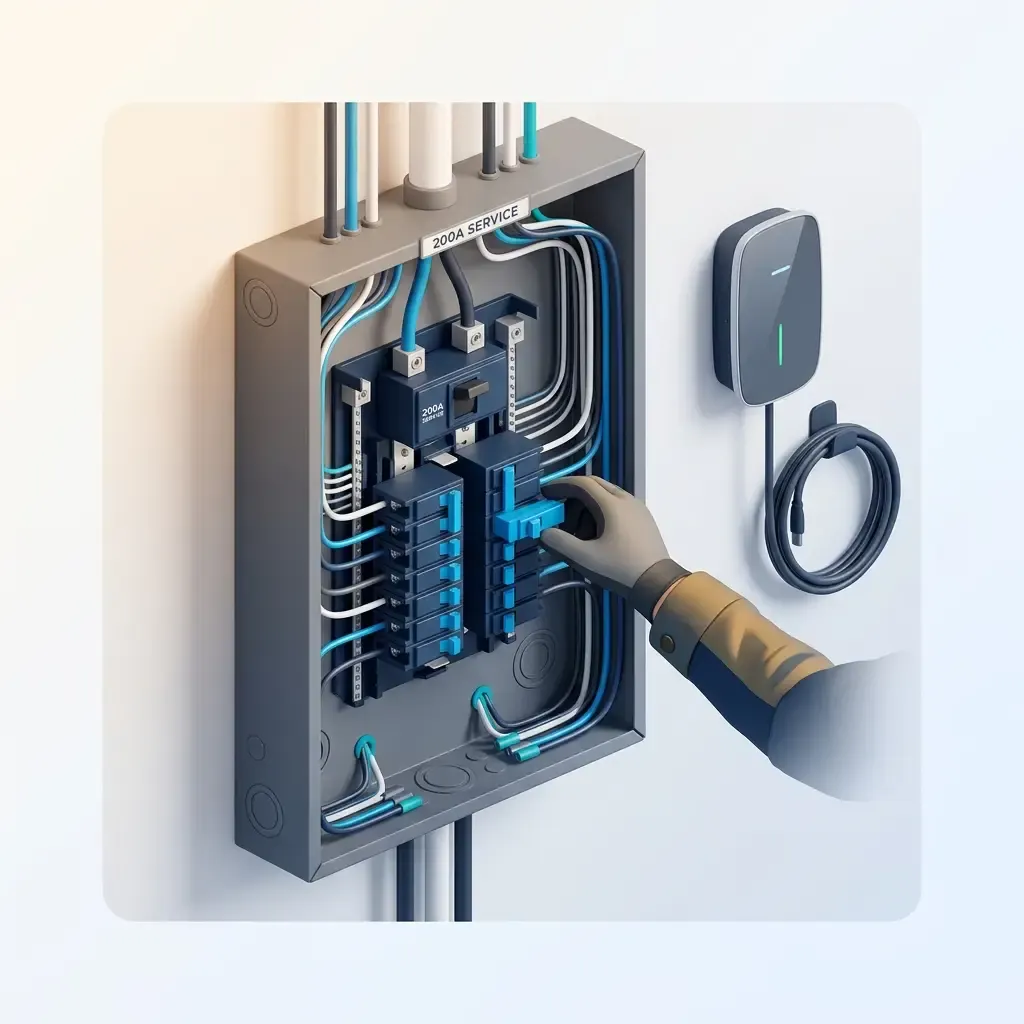
Needed a 200A service upgrade for EV charging and a new heat pump. Minnesota EV Charger Installation coordinated the utility disconnect, replaced the meter base, installed the panel, and had the EV circuit ready the same day. Xcel reconnected within 24 hours.
Capacity planning for EV charging
Panel Upgrades for EV Charging in Minnesota. Right-Sized Capacity, No Guesswork.
When electrical capacity is the bottleneck, we plan panel, meter-base, feeder, and service-side upgrades that create safe long-term headroom for EV charging and future electrification.
Why homeowners choose us
- Load analysis before equipment decisions — Capacity-first planning
- Plan now, scale when needed — Staged expansion options
- Service-change documentation support — Permit-ready upgrade scope
5-Star Rated200+ reviews









Common problems, solved
EV charging issues we fix every day
Most EV charging problems come down to a handful of root causes. Here's how we diagnose and resolve each one.
About this service
Panel Upgrade for EV Charging
This page is about electrical capacity planning rather than charger selection. We assess main service size, bus limitations, feeder constraints, meter equipment, and upgrade sequencing to determine the most cost-effective way to add usable amperage for EV charging.
Every project starts with a site walkthrough — we assess your panel capacity, confirm the best charger placement, and plan the wire run before any work begins. That upfront planning is what prevents the cut corners and rework that show up later as tripped breakers, undersized circuits, or a charger mounted where the cable barely reaches the car.
Charger selection matters as much as the installation itself. We match the charger level, amperage, and connector type to your vehicle, your daily mileage, and your panel's available capacity — not whatever happens to be in stock. A correctly sized circuit means faster overnight charging, no nuisance trips, and headroom for a second vehicle later.
Our installations are permitted, inspected, and fully documented. We pull the permit, schedule the inspection with your local Authority Having Jurisdiction, and hand you a copy of the completed work. That matters for insurance, resale, and any future warranty claim on the charger itself.
After installation we walk you through the charger app, load-management settings if applicable, and any utility rebate paperwork you qualify for. Most Minnesota utilities offer incentives for Level 2 home charging equipment — we make sure you don't leave money on the table.
Upgrade recommendations reflect local utility coordination norms, equipment availability, and inspection requirements.
What's included
- Main breaker bus, panel, and meter-socket review
- Load calculation and service bottleneck diagnosis
- Service-entrance, feeder, or subpanel upgrade recommendation
- Utility paperwork, disconnect, and equipment specification guidance
- Future electrification capacity roadmap
Pricing snapshot
Main panel upgradeMust
Typical residential upgrade range
$4,500–$8,500
Targeted subpanel or circuit solutionOptional
When a full service change is not required
$2,500–$4,500
Complex service upgradeOptional
Site-specific utility or infrastructure complexity
$8,500–$15,000+
How it works
A clear, step-by-step process from first contact to charging at home.
 01
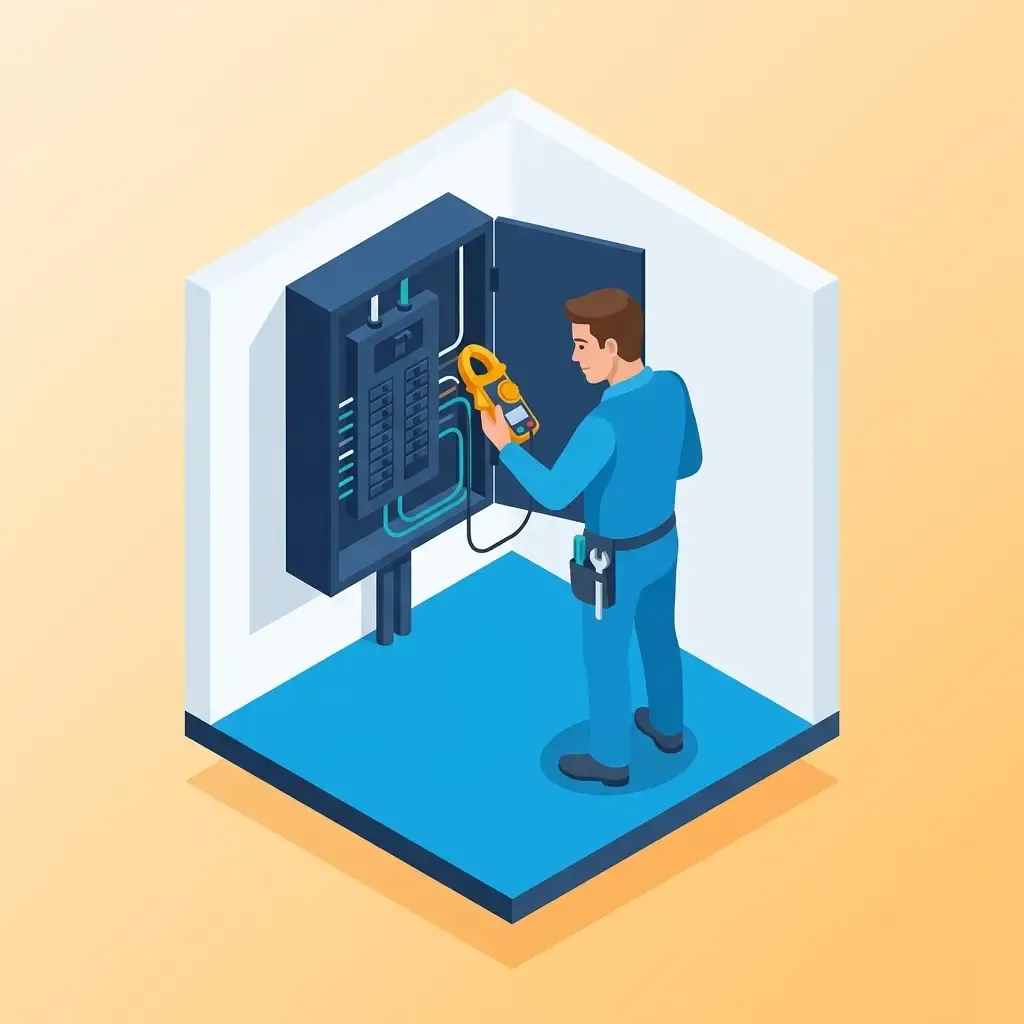
01Load analysis
We calculate existing loads and panel headroom to find the real constraint before any recommendation.
 02
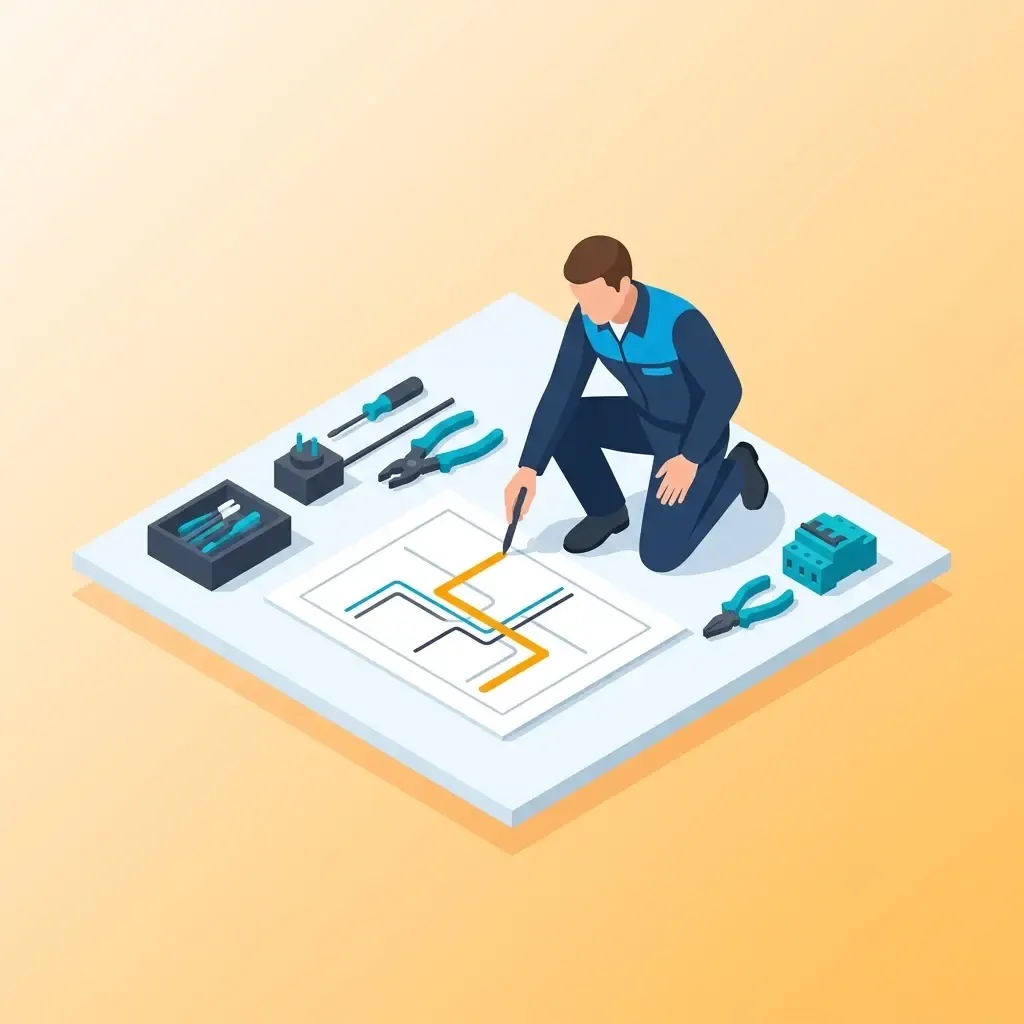
02Upgrade path recommendation
Subpanel, load management, or full service upgrade — we recommend the least-cost path that actually works.
 03
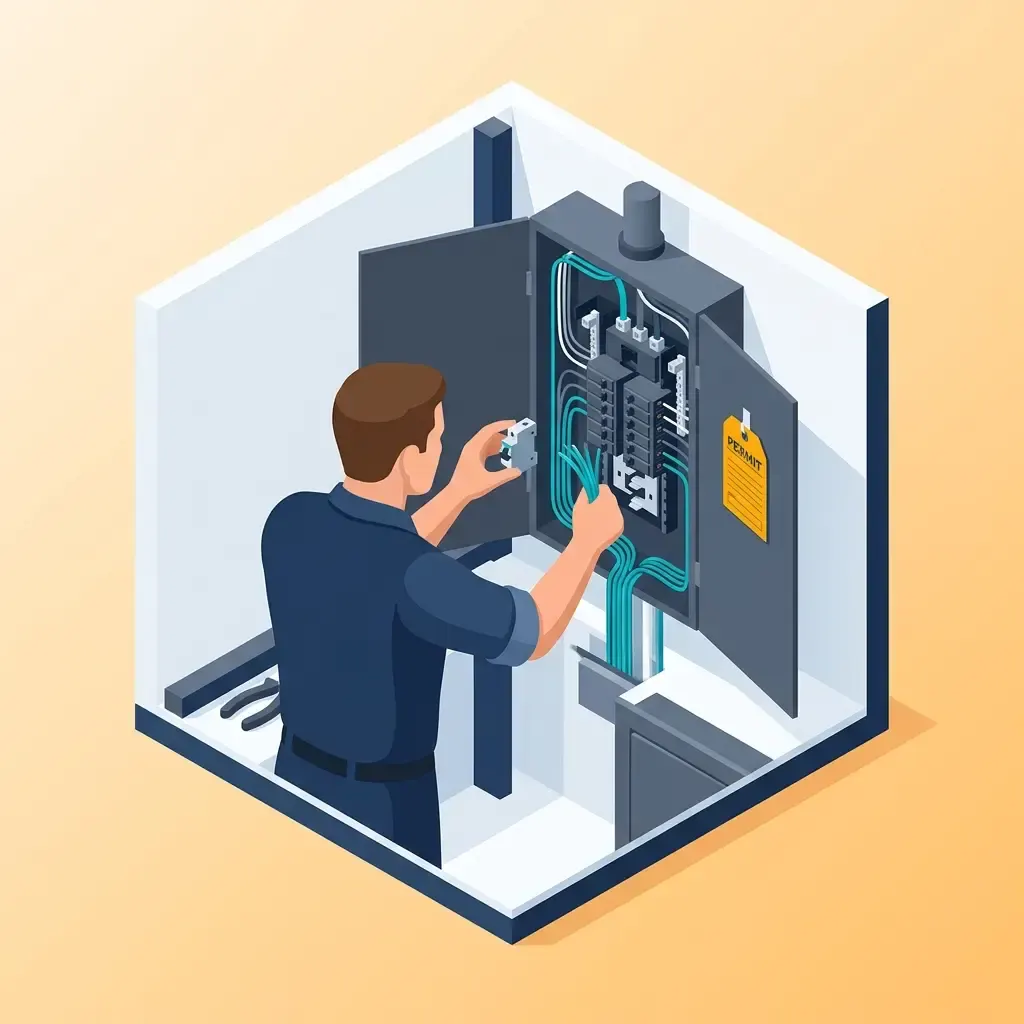
03Permit and electrical work
Permit pulled, upgrade completed, and EV circuit readiness confirmed with the utility.
 04
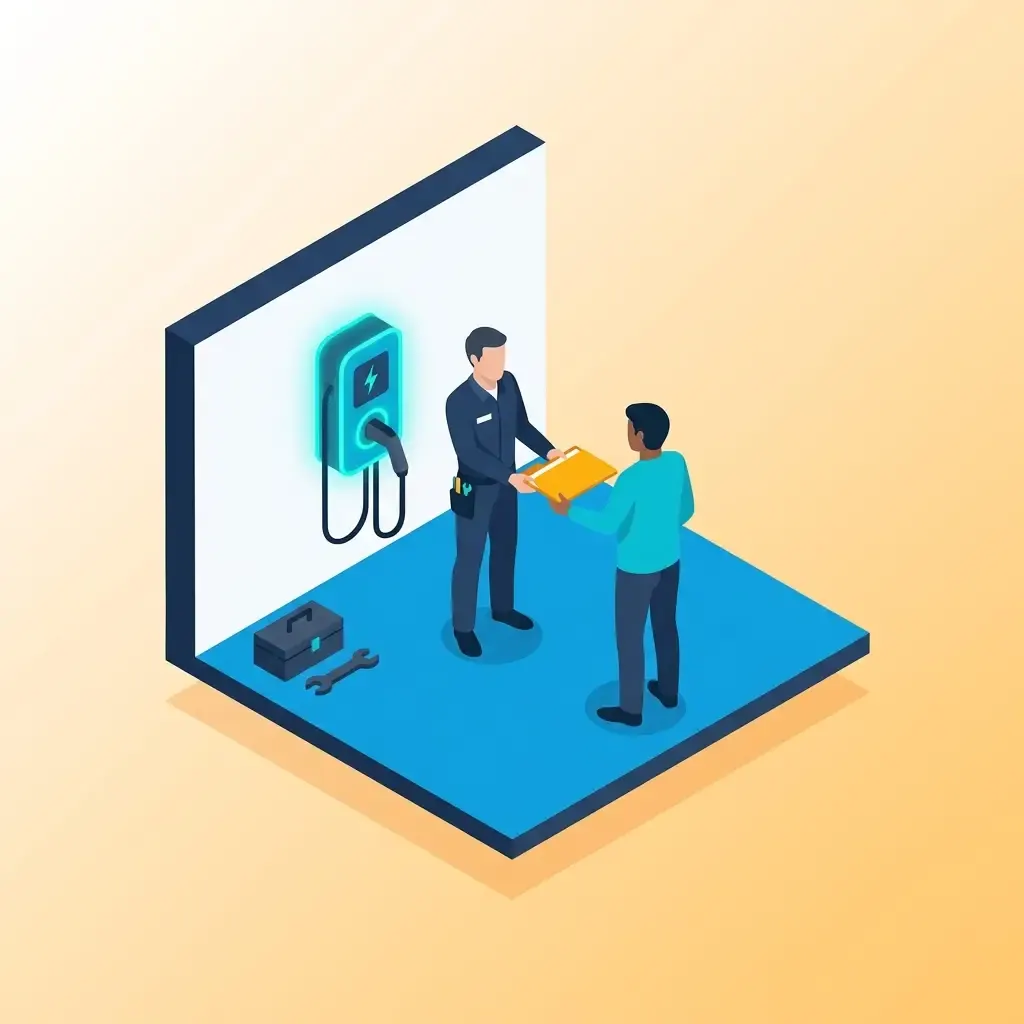
04Charger readiness handoff
Capacity roadmap documented so future charger additions are scoped before they happen.
Why Minnesota EV Charger Installation
Built for EV charging.
Not adapted to it.
We started Minnesota EV Charger Installation in 2010 because EV drivers deserved specialists, not electricians moonlighting between bathroom rewires. Fifteen years and 4,200+ installs later, that commitment hasn't changed — and neither has our focus.
- 15 years — EV charging only
- Permitted, inspected & documented
- Right-sized for your panel and your next EV
- Rebates handled for you
- Straight scope, firm price

Frequently asked questions
Answers designed to move high-intent buyers toward the next step with confidence.
The clearest sign is a 100A or 150A main breaker paired with a full panel and an already-busy load profile — central air conditioning, electric dryer, electric water heater, and kitchen appliances. A 40A EV charger circuit requires continuous 50A capacity on the panel bus, and older panels with those loads rarely have safe headroom. Less obvious signs include breakers that trip under normal use, a panel near or past its manufacturer service life (many 1970s FPE Stab-Lok panels in Minnesota are overdue for replacement), or a utility meter that shows consistent peak demand close to the service limit. We perform a formal load calculation during the site visit — not a visual guess.
Yes, in many cases. A load-management device monitors your home total consumption in real time and automatically reduces EV charger output during high-demand periods — keeping total draw safely within the panel limit. For a 100A home with typical Minnesota household loads (gas heat, electric appliances), smart load management often makes a 32A or even 40A EV circuit possible without upgrading the panel. We present both options — load management and a full upgrade — with honest cost and tradeoff comparisons so you can decide based on your budget and long-term plans.
A targeted subpanel addition — often the right solution when the main panel has capacity but no open slots — runs $2,500–$4,500. Replacing a 100A or 150A main panel with a new 200A panel, including the meter base and utility coordination, typically costs $4,500–$8,500 for most Twin Cities homes. More complex upgrades involving service entrance replacement or utility transformer upgrades can reach $10,000–$15,000. We scope the minimum upgrade necessary to support your EV charging goals — not the largest system we can sell.
A standard panel replacement in a Twin Cities home typically takes 4–8 hours with your power off during the swap. We coordinate with the utility (Xcel Energy, CenterPoint Energy Electric, or your local co-op) to pull the meter before work begins and restore it the same day. Inspection is scheduled separately — most Twin Cities municipalities can get an electrical inspection within 3–7 business days. During that window, your panel is functional; the inspection is a final sign-off step. We manage all utility and permit scheduling as part of the project.
Yes — a 200A panel upgrade is a documented and desirable improvement for Minnesota home buyers, particularly as EV adoption grows. Appraisers and real estate agents in the Twin Cities consistently flag 100A service as a deficiency in modern home evaluations, especially when the buyer owns or plans to own an EV. Beyond EV charging, a new panel eliminates safety risks from aging equipment, supports future additions like heat pump HVAC, and removes a potential deal-breaker in home inspections. The EV charger circuit is typically added at the same time as the upgrade for minimal added cost.
Yes. Any service entrance work requires coordination with your utility provider — Xcel Energy, Minnesota Power, Dakota Electric, or your cooperative — because they must pull the meter before and after the upgrade. We manage that coordination on your behalf, including scheduling the meter pull, confirming the new service entrance equipment meets utility specs, and arranging reinspection if required. Some utilities in Minnesota also have specific requirements around meter base replacement and grounding that we incorporate into the scope automatically.
Absolutely — and planning for it upfront is significantly cheaper than doing it in stages. When we scope a panel upgrade for EV charging, we design for your full anticipated load: both current and future EV circuits, any planned heat pump or heat pump water heater additions, and normal household loads. A 200A upgrade with this planning typically still has meaningful headroom. If your home is larger or you anticipate significant future load growth, we may recommend a 320A or 400A service — a practical option for larger Twin Cities properties or those planning to add battery storage.
What customers say about our Panel Upgrade for EV Charging service
Real reviews from homeowners and businesses across the Twin Cities metro.
Two electricians said I needed a full panel upgrade before adding a charger. Minnesota EV Charger Installation did the load calculation first and found headroom with a load management device instead. Saved around $5,000 and it has worked perfectly for six months.
Full 200A panel replacement plus a 50A EV circuit in one project. They handled the permit, utility coordination, meter base, panel swap, and charger install together. One visit instead of two contractors. City inspector complimented the work.
Had a Federal Pacific panel that needed replacement anyway. Minnesota EV Charger Installation right-sized to 200A, added an EV circuit, and added a garage subpanel for a future workshop. One project, one permit, one inspection. No unnecessary upsells.
Get a fast EV charger installation quote
Tell us your vehicle, charger preference, panel details, and property type. We respond with a clear next step and realistic price range.