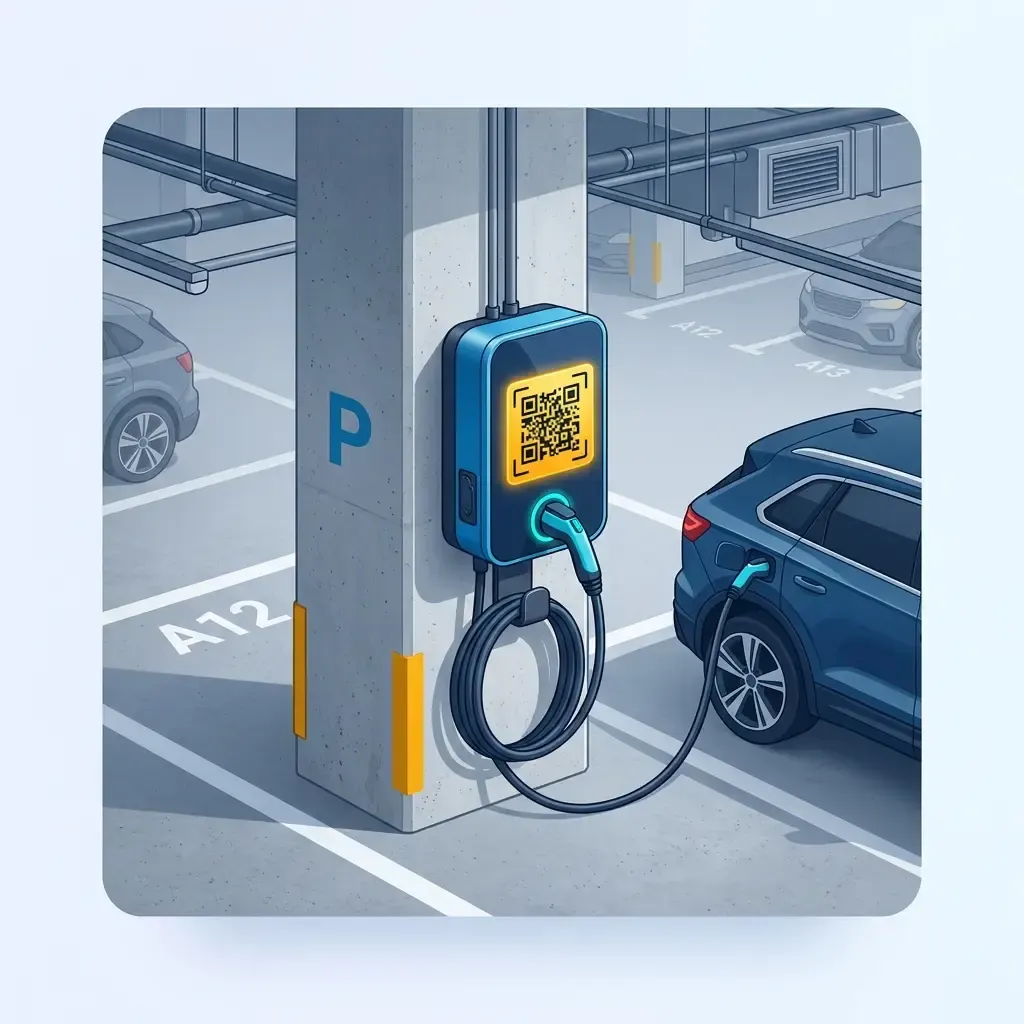
Getting EV charging approved in our HOA was a headache until we found Minnesota EV Charger Installation. They built a complete board proposal with load calculations and billing options. Our stall now has a Level 2 charger billed separately from the master meter.
Multifamily charging strategy
Apartment, Condo & HOA Charging Solutions in Minnesota. Built for Shared Parking and Resident Demand.
Deploy resident charging with a plan for governance, shared parking, electrical capacity, and long-term property value—not one-off installs that create future friction.
Why homeowners choose us
- HOA and shared-space planning — Governance-aware
- Amenity and retention positioning — Resident value
- Pilot to broader rollout — Scalable approach
5-Star Rated200+ reviews










Common problems, solved
EV charging issues we fix every day
Most EV charging problems come down to a handful of root causes. Here's how we diagnose and resolve each one.
About this service
Apartment, Condo & HOA Charging Solutions
This page is specifically for multifamily properties and HOA-governed sites: shared parking, resident billing, board approval, governance rules, and phased charging programs for apartment and condo communities.
Every project starts with a site walkthrough — we assess your panel capacity, confirm the best charger placement, and plan the wire run before any work begins. That upfront planning is what prevents the cut corners and rework that show up later as tripped breakers, undersized circuits, or a charger mounted where the cable barely reaches the car.
Charger selection matters as much as the installation itself. We match the charger level, amperage, and connector type to your vehicle, your daily mileage, and your panel's available capacity — not whatever happens to be in stock. A correctly sized circuit means faster overnight charging, no nuisance trips, and headroom for a second vehicle later.
Our installations are permitted, inspected, and fully documented. We pull the permit, schedule the inspection with your local Authority Having Jurisdiction, and hand you a copy of the completed work. That matters for insurance, resale, and any future warranty claim on the charger itself.
After installation we walk you through the charger app, load-management settings if applicable, and any utility rebate paperwork you qualify for. Most Minnesota utilities offer incentives for Level 2 home charging equipment — we make sure you don't leave money on the table.
Multifamily projects in Minnesota often require coordination with the property management company, HOA board approval, and local building department permitting. We support the governance and permitting process alongside the technical work.
What's included
- Parking layout and electrical capacity assessment
- Charger placement within shared parking governance
- Access and billing model guidance — stall, amenity, or hybrid
- Resident billing platform setup
- HOA board documentation and proposal support
- Permit application and inspection coordination
- Networked Level 2 installation with load management
- Resident onboarding documentation
Pricing snapshot
Small multifamily pilot (2–4 ports)Must
Shared amenity chargers with resident billing platform setup
$15,000–$45,000
Structured parking deployment (5–14 ports)Optional
Often driven by electrical distribution and routing complexity in parking structures
$45,000–$150,000+
Community-wide phased programOptional
Long-term infrastructure roadmap with governance and billing at scale
$150,000+
How it works
A clear, step-by-step process from first contact to a commissioned commercial charging deployment.
 01
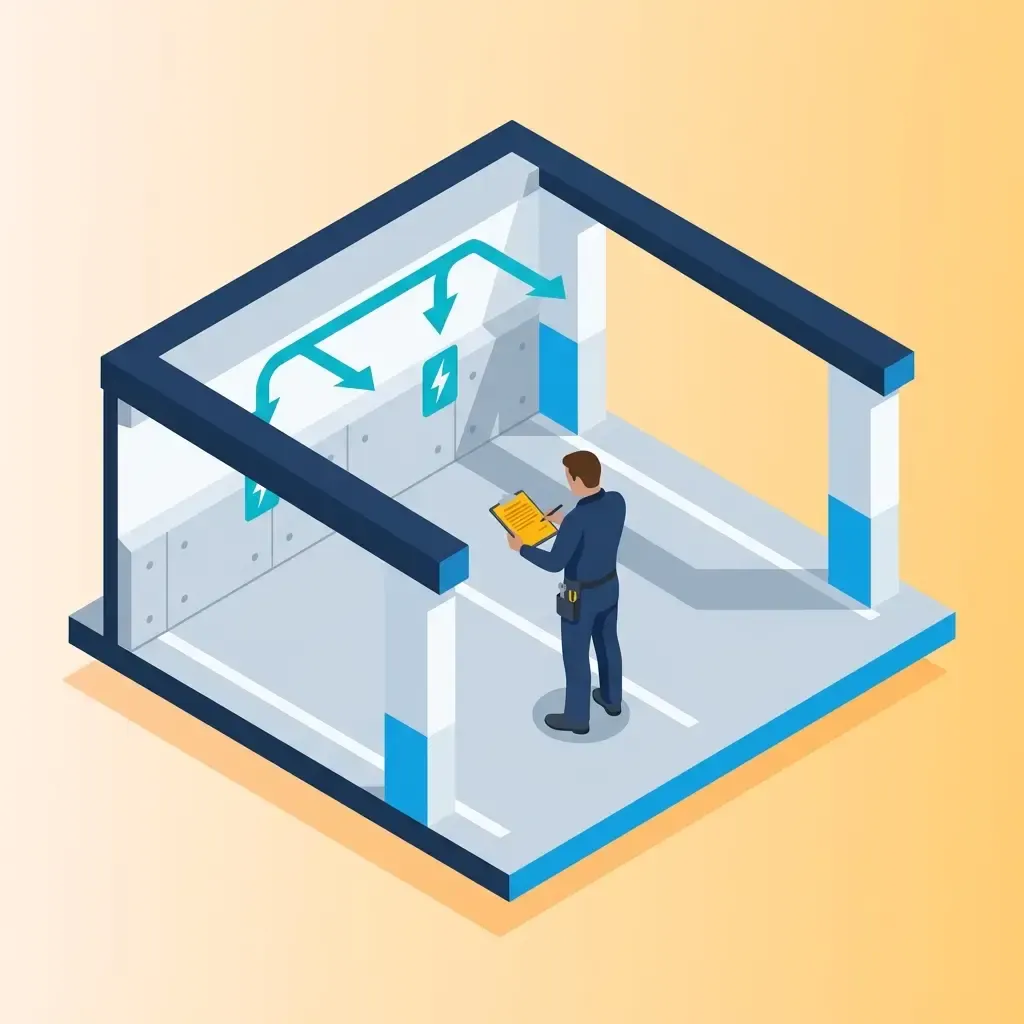
01Property and governance assessment
We review parking layout, electrical capacity, and HOA or management governance structure — then provide a written framework for the board or management to evaluate before committing to a deployment.
 02
02Access model and platform selection
We work with the board or property manager to define the access policy (shared amenity, dedicated, or hybrid) and select the billing platform that fits the governance model.
 03
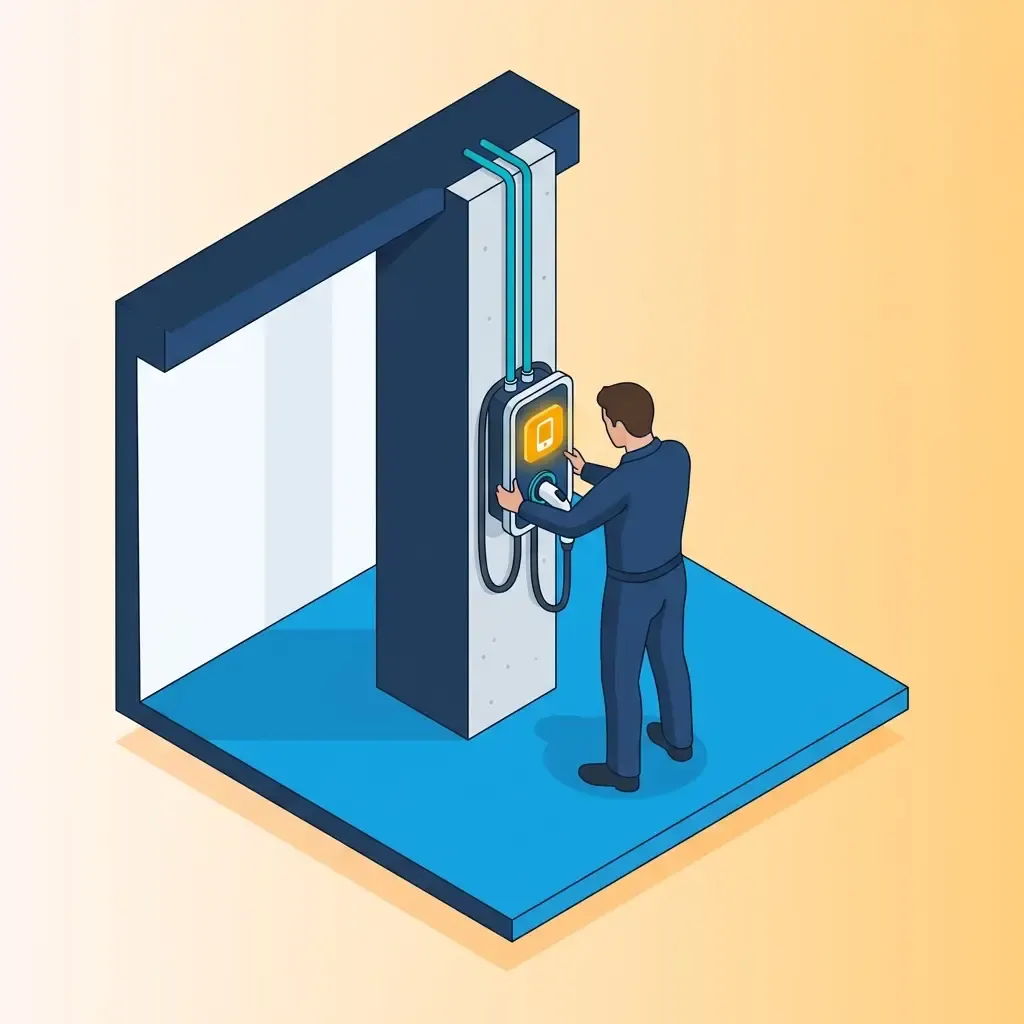
03Permit, install, and configure
We pull building permits, install and wire the chargers, configure resident billing and access, and coordinate inspection with the local authority.
 04
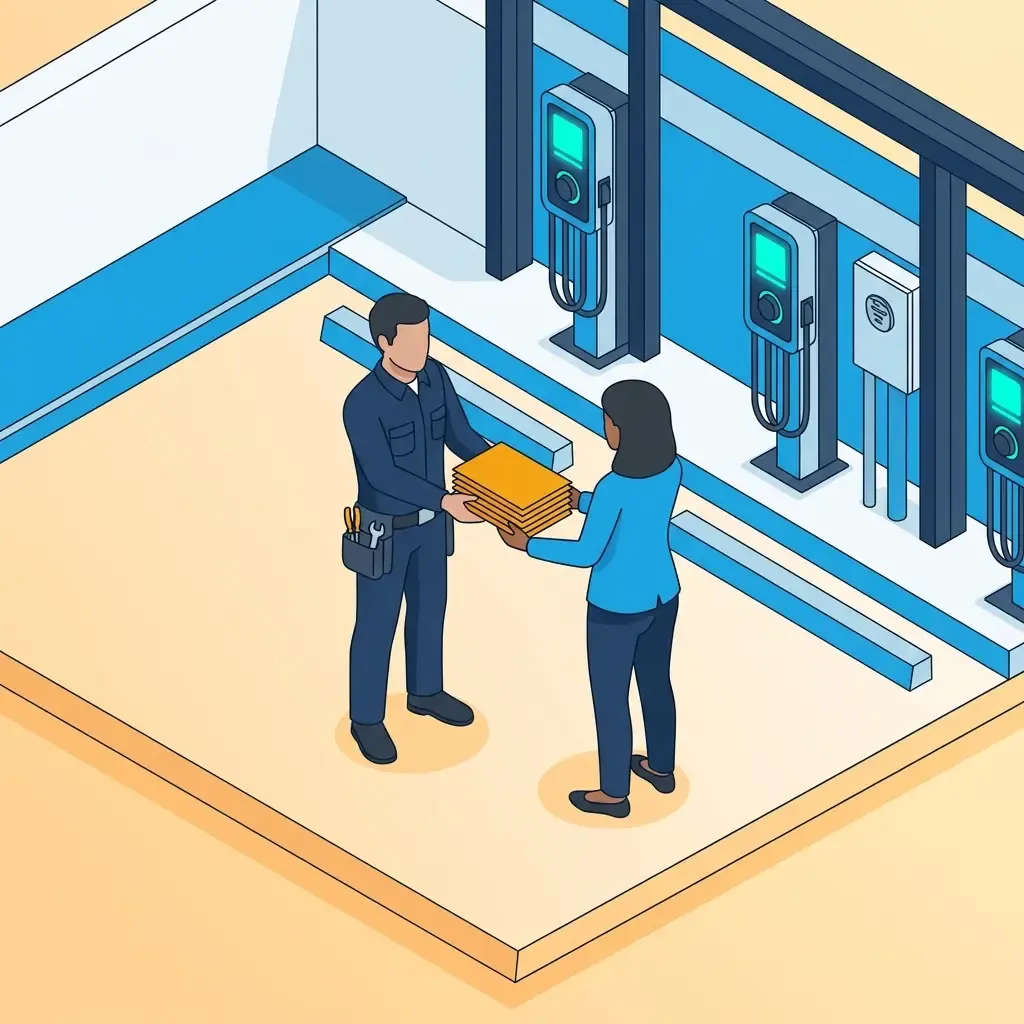
04Resident onboarding and handoff
We provide documentation for resident app setup, walk property management through the dashboard, and confirm every port is functioning before close.
Why Minnesota EV Charger Installation
Built for EV charging.
Not adapted to it.
We started Minnesota EV Charger Installation in 2010 because EV drivers deserved specialists, not electricians moonlighting between bathroom rewires. Fifteen years and 4,200+ installs later, that commitment hasn't changed — and neither has our focus.
- 15 years — EV charging only
- Permitted, inspected & documented
- Right-sized for your panel and your next EV
- Rebates handled for you
- Straight scope, firm price

Frequently asked questions
Answers designed to move high-intent buyers toward the next step with confidence.
Yes, and a phased approach is often the right one for multifamily and HOA properties. A pilot deployment of two to four chargers in the highest-demand parking zone establishes utilization data, demonstrates resident interest to the board, and allows the billing and access policy to be refined before committing to a larger capital spend. We design pilots with future expansion in mind — stubbing out conduit to adjacent zones and sizing the sub-panel addition to accommodate more ports — so expansion later is a straightforward install rather than a rewiring project.
Commercial charger network platforms meter each session precisely and support multiple billing models. The most common for multifamily is per-kWh billing charged to a resident credit card or account on file through the charger app. Alternatives include monthly subscription access (a flat fee for unlimited charging) or a time-based fee structure. Property management sees a dashboard with total energy consumed, session counts, and billing processed — no manual tracking required. We set up the billing configuration during commissioning so the system is live and tested before the first resident session.
Minnesota Statute 515B.3-102 (for condominiums) and related common interest community statutes give residents certain rights to request reasonable accommodation for EV charging installation in their own parking space. The law limits but does not eliminate the association's ability to require that the installation meet specific standards and that the resident bear the cost. We can help property managers and HOA boards understand how these rights apply to the specific property type and structure a compliant process that satisfies both the requesting resident and the association's reasonable concerns.
The most effective approach is a resident-funded model where session fees are set to cover both electricity cost and a capital cost recovery contribution over a defined period. Property management does not draw from HOA reserves; residents who use the chargers pay for the infrastructure through their session fees over time. We can model what the session fee needs to be at expected utilization levels to recover infrastructure cost in three to seven years — a number that is usually competitive with public charging rates and easy to justify to both the board and non-EV-driving residents.
It varies significantly by building age and construction type. Newer apartment buildings built after 2015 often have 200-400A of spare capacity in the parking electrical panel. Older buildings from the 1980s or 1990s may have 60-100A total in the parking sub-panel, leaving minimal headroom without a sub-panel addition. A sub-panel upgrade to support 6-10 managed Level 2 chargers typically costs $8,000-$18,000 and is often the largest line item in a structured parking deployment. We assess and document available capacity at the site visit so there are no surprises after the proposal.
Yes. We provide a written project summary, scope, cost range, and billing model documentation in a format that is easy for a board to review and vote on. If the board wants a presentation or has specific questions about the project, we can attend a board meeting or provide written responses to board questions before the vote. Getting the board approval right the first time — with the right policy framework in place — is faster than doing a second presentation after the first one raised governance concerns we did not address.
Yes. Xcel Energy has a multifamily EV charging program that provides rebates for qualifying properties in its service territory, including apartment buildings and condominiums. The program covers a portion of charger and installation costs for properties that meet the program eligibility criteria. Minnesota Power has similar programs in its service territory. We identify applicable programs during the scoping process and provide the project documentation in the format the utility program requires — simplifying the rebate application for the property owner or management company.
What customers say about our Apartment, Condo & HOA Charging Solutions service
Real reviews from homeowners and businesses across the Twin Cities metro.
Shared underground garage condo. They designed individual metered circuits per stall so residents pay their own electricity costs. That resolved the HOA objection in one proposal. Two neighbors have since added chargers.
Board member of a 40-unit association. We wanted a scalable solution, not a patchwork of installs. The team presented a panelboard plan that grows to 12 stations without major rework. Implementation was clean and on budget.
Our HOA had strict aesthetic rules for the parking structure. Minnesota EV Charger Installation met every one: flush conduit painted to match the column, charger within HOA guidelines. They documented everything for the records file.
Request a multifamily charging assessment
We'll scope parking, governance, infrastructure, and phased options for your property.