The gap that shows up in the first week
Industry surveys and installer feedback consistently point to the same story. A meaningful share of new EV buyers close the purchase agreement without a clear picture of what home charging installation will require. The range estimate, the charging port location, and the included cord are explained. The electrical panel, the dedicated circuit, the permit, the inspection, and the labor cost are often not. That does not mean buyers are misled. It means the home charging conversation is usually not part of the standard sales process. The buyer drives home excited, parks the car, plugs into whatever outlet is nearby, and assumes the system will figure itself out. The first full week of real driving is when the gap becomes visible.
What the dealership usually covers
A well-run EV sales process covers the vehicle itself clearly. Range under different conditions, battery warranty, software updates, public charging network access, and tax credit eligibility are standard topics. Some dealers also explain the difference between Level 1, Level 2, and DC fast charging in general terms. Where the conversation often ends is at the house. The buyer learns that Level 2 is faster and better for daily use. What they are not always told is that Level 2 requires a dedicated 240V circuit, that the existing garage outlet probably cannot serve that purpose, and that a professional installation with a permit can cost several hundred to over a thousand dollars depending on the property.
Why the home charging gap is not always the dealer's fault
Dealers are specialists in vehicles, not in residential electrical systems. A salesperson who knows every battery chemistry detail may have no real knowledge of what a load calculation involves or what a Minnesota permit office requires for a dedicated EV circuit. Some manufacturers provide educational materials, but translating those materials into a specific home situation requires walking through the property. The practical result is that buyers often fill in the gap themselves, sometimes by guessing. They assume the included cord will work long term. They assume a Level 2 charger can be plugged into a dryer outlet temporarily. They assume the installation will be cheap because it is just one circuit.
The three assumptions that most often need correcting
The first assumption is that any 240V outlet will work. Dryer outlets, range outlets, and EV circuits are not always interchangeable. Amperage, circuit design, and breaker sizing matter. The second assumption is that the installation will be inexpensive. A straight conduit run from a panel with available capacity to an attached garage may be a moderate cost project. A detached garage, a finished wall route, an older home with a full panel, or a complex load situation can change that significantly. The third assumption is that no permit is required. Most Minnesota jurisdictions require a permit for a new dedicated circuit including EV charger installations.
What a good pre-purchase conversation should include
Before delivery day, a buyer who wants to avoid surprises should ask three things. First, what does home Level 2 charging require in terms of electrical work. Second, what does a typical installation cost in this area and what factors make it higher. Third, does my vehicle come with a portable Level 2 adapter or only a Level 1 cord. Those three questions take a few minutes but can prevent weeks of frustration. If the salesperson cannot answer them, that is useful information too. It suggests the buyer should contact an installer before taking delivery so the home is ready when the car arrives.
The delivery day situation that surprises many first-time owners
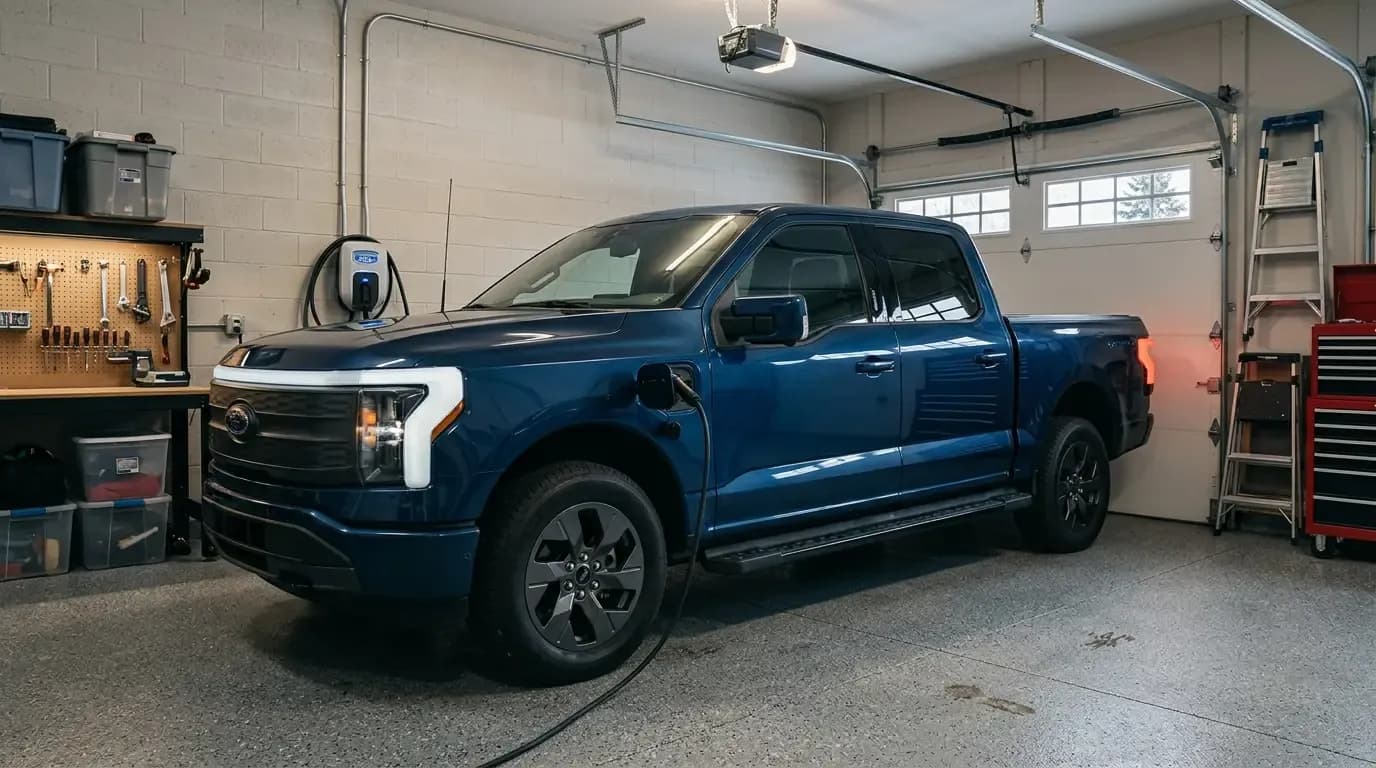
Delivery day is often focused on software walkthroughs, connectivity setup, and taking photos with the new vehicle. Home charging planning rarely happens on that day. The buyer drives home and finds a Level 1 cord in the trunk or a portable adapter. They plug in because it is the easiest step. The car charges slowly. If daily driving is light, the owner may not notice for several weeks. If daily driving is heavier or if winter starts reducing range, the Level 1 limitation becomes noticeable quickly. By that point, the buyer is scheduling an electrical review after the fact, often during a busy period.
How to check your home before asking for a quote
A useful pre-installation check does not require electrical knowledge. Open the main panel and note the main breaker size if visible. Look at how many spaces are already occupied and whether any double pole breakers are installed for large appliances. Walk the likely path from the panel to where the car parks and estimate how many feet of conduit would be needed. Note whether the garage is attached or detached, finished or unfinished. Take photos of each step. These details help an installer give a more accurate first estimate.
The simple change that fixes most of this
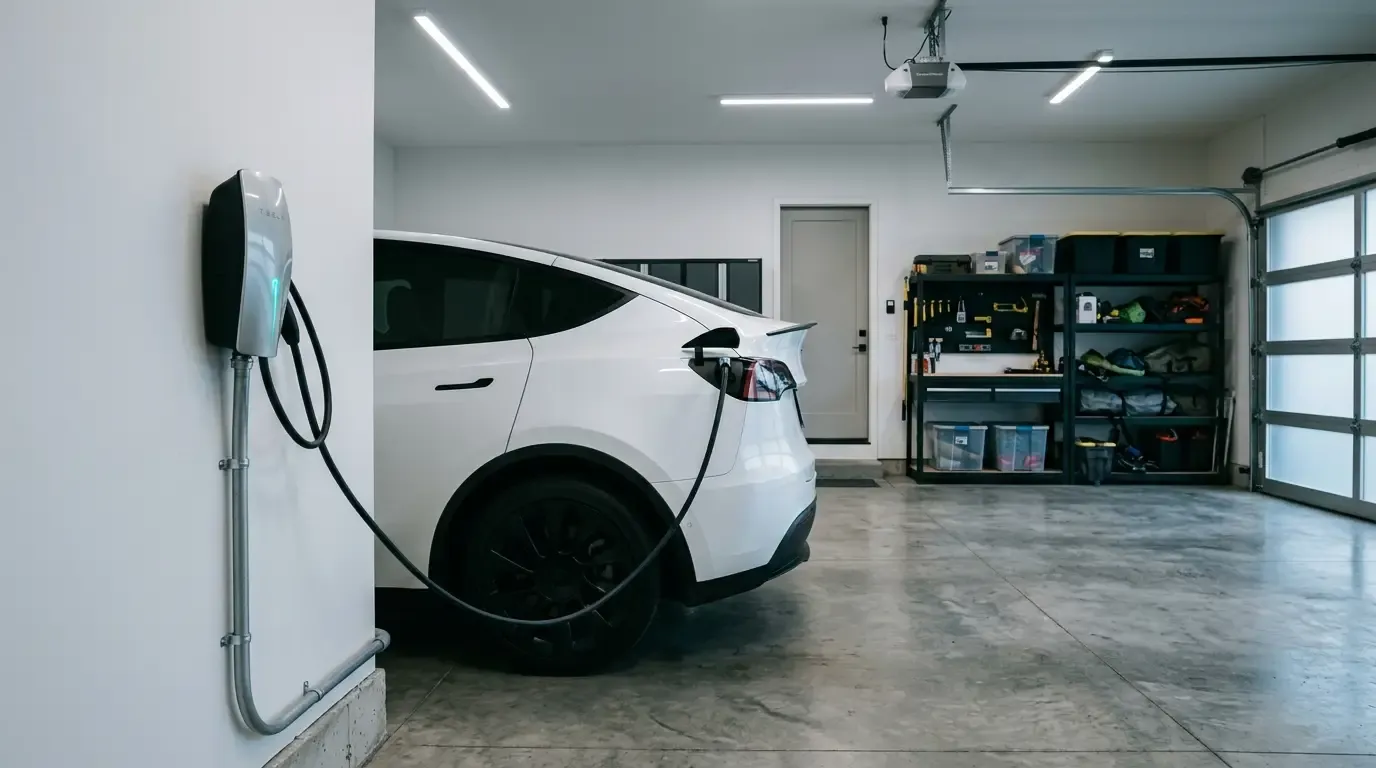
The fix is not complicated. It is a short electrical conversation that happens before or during the vehicle purchase process rather than after delivery. A buyer who gets a home charging readiness review before the car arrives can have the installation done and inspected before delivery day. That turns the first week of EV ownership from a logistics puzzle into a clean start. The vehicle arrives, the charger is on the wall, and the overnight routine begins without any improvised steps.
Next step
Ready to plan your install?
Validate panel capacity, circuit path, and mounting location before installation day. Get a clear scope in writing.