Where the assumption comes from
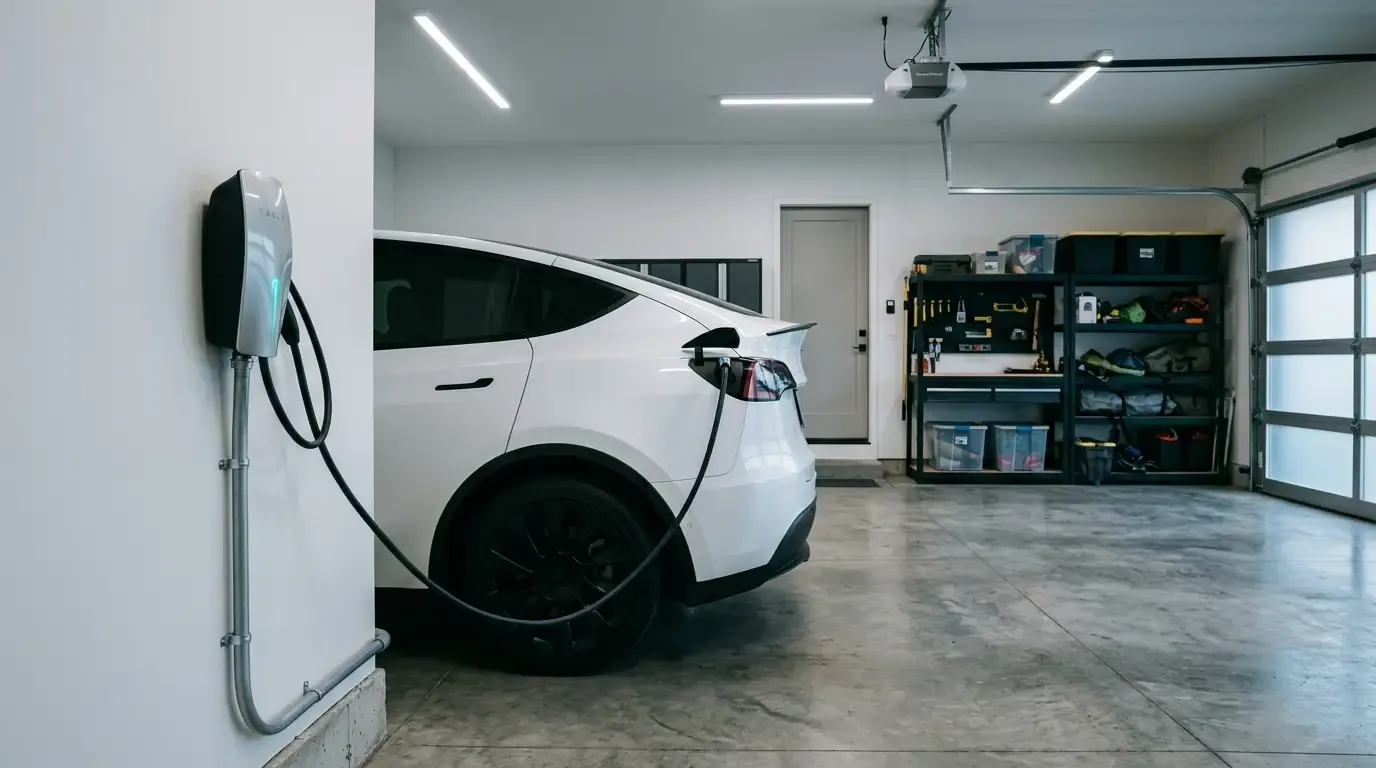
The idea that an EV charger always requires a panel upgrade is common enough that many new owners budget for one before speaking with an installer. The assumption is understandable. A Level 2 charger draws continuous current through a dedicated circuit. In some homes that is a significant load. In some homes it is not. The determining factor is not the charger itself. It is the available electrical headroom in the home's current service and panel. A home with 200 amp service and primarily gas appliances may have abundant capacity for an EV circuit. A home with 100 amp service that is already running electric heat, an electric range, and a dryer may have very little. The upgrade assumption collapses those two very different situations into one answer.
What a load calculation actually tells you
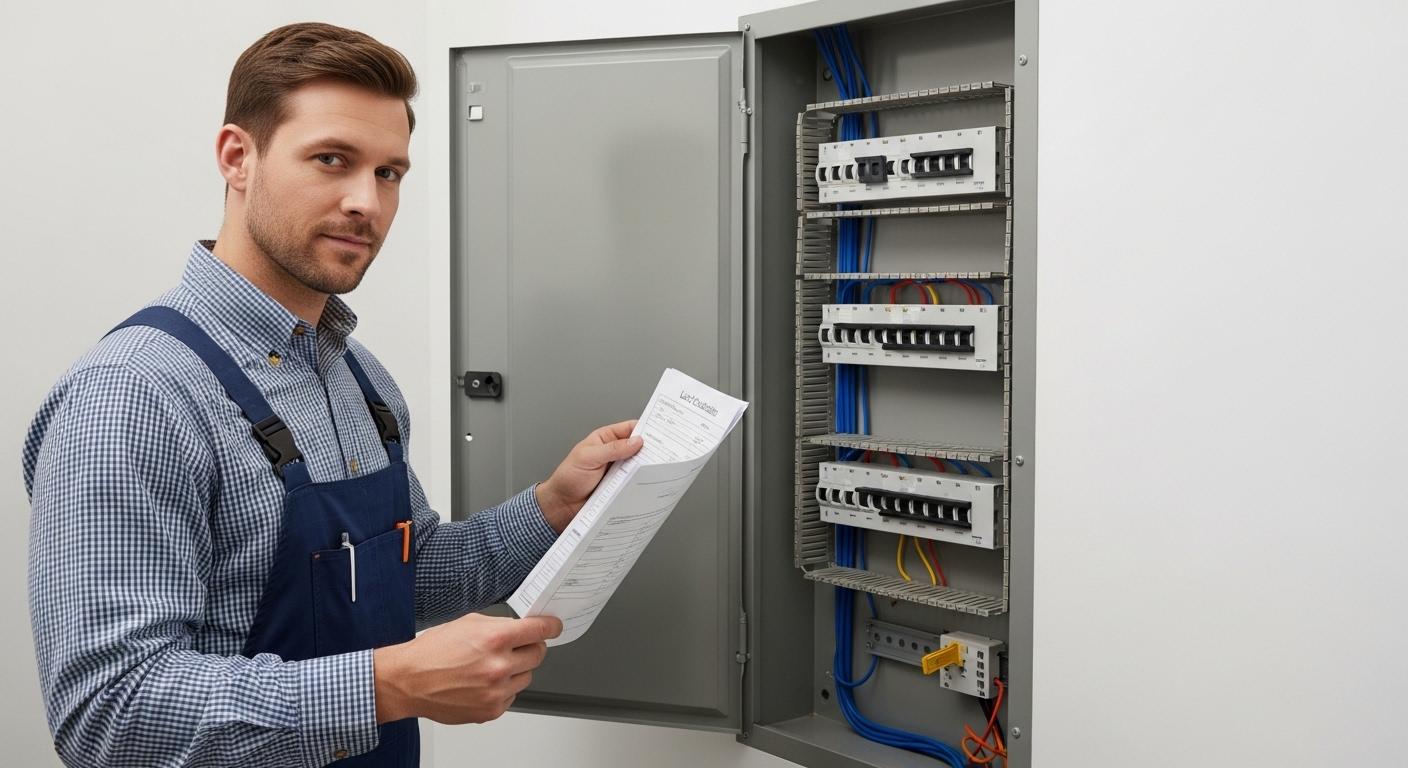
A load calculation is a code-based evaluation of how much electrical demand a home places on its service and panel under normal operating conditions. Licensed electricians use the National Electrical Code methodology, which accounts for heating and cooling systems, kitchen appliances, laundry, lighting, and other circuits. If the panel has remaining headroom after the existing loads are counted, an EV circuit can often be added without any panel work. If the headroom is tight, options include load management, circuit reorganization, a subpanel, or in some cases a service upgrade.
Load management as an alternative to upgrading
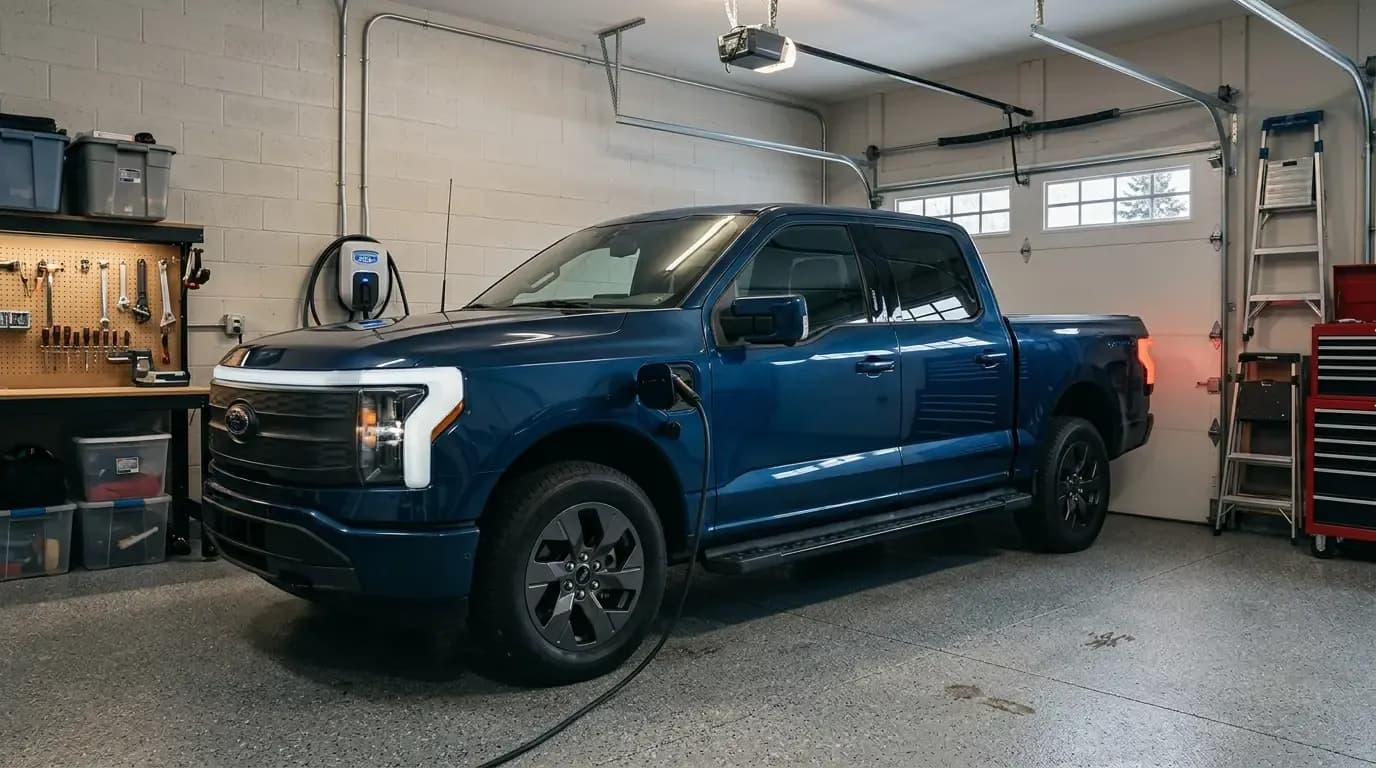
Load management technology allows an EV charger to share panel capacity with other large loads by monitoring total demand and reducing charger output when the panel approaches its safe limit. A home that cannot safely add a full EV circuit without exceeding panel limits may still be able to charge an EV overnight using a load managed setup. The charger runs at lower output when the home is also running heavy loads, and increases output when the larger loads are off. Many evening and overnight charging sessions involve low household demand, which means the EV charges efficiently without the full capacity conflict.
When a panel upgrade is actually the right answer
There are real situations where a panel upgrade is the correct scope. A 100 amp service in an all-electric home with an electric range, electric dryer, electric water heater, and electric baseboard heat may not have enough capacity for any EV circuit size. A home where the main breaker trips regularly already indicates a load problem. A home that plans to add an EV, a heat pump, and induction range over the next few years may benefit from upgrading the service now rather than scheduling multiple electrical projects. These situations are identifiable. The problem is when homeowners assume their case falls in the complicated category without confirming.
What to ask before accepting a quote that includes a panel upgrade
When an installer recommends a panel upgrade as part of an EV charger quote, three questions are worth asking. First, has a load calculation been performed and what does it show. Second, is load management technology an option that was evaluated. Third, what specific condition in the home makes the upgrade necessary rather than optional. A professional installer should be able to answer all three clearly. If the recommendation is based on a visual inspection of a full panel rather than a load calculation, the homeowner may want a second opinion.
The gas appliance advantage many homeowners overlook
Minnesota homes with gas furnaces, gas water heaters, and gas kitchen ranges have a significant electrical advantage for EV charger installations. Gas appliances do not place continuous high-amperage loads on the electrical service. An all-gas home with a 200 amp panel may be running only a small fraction of its service capacity for daily household needs. An owner of such a home who assumes a panel upgrade is needed may be surprised by a load calculation that shows ample headroom.
The right starting point is always a review, not an assumption
The most useful thing any homeowner can do before budgeting for an EV charger installation is to request a load calculation from a licensed electrician. That step usually takes a short time and produces a clear answer about whether the panel supports the desired circuit, whether load management is an option, or whether the service genuinely needs upgrading. For many Minnesota homeowners, the fact is that the panel is already ready and the installation is more straightforward than expected. Either way, the calculation replaces the assumption.
Next step
Ready to plan your install?
Validate panel capacity, circuit path, and mounting location before installation day. Get a clear scope in writing.