Why eligible homeowners miss the rebate
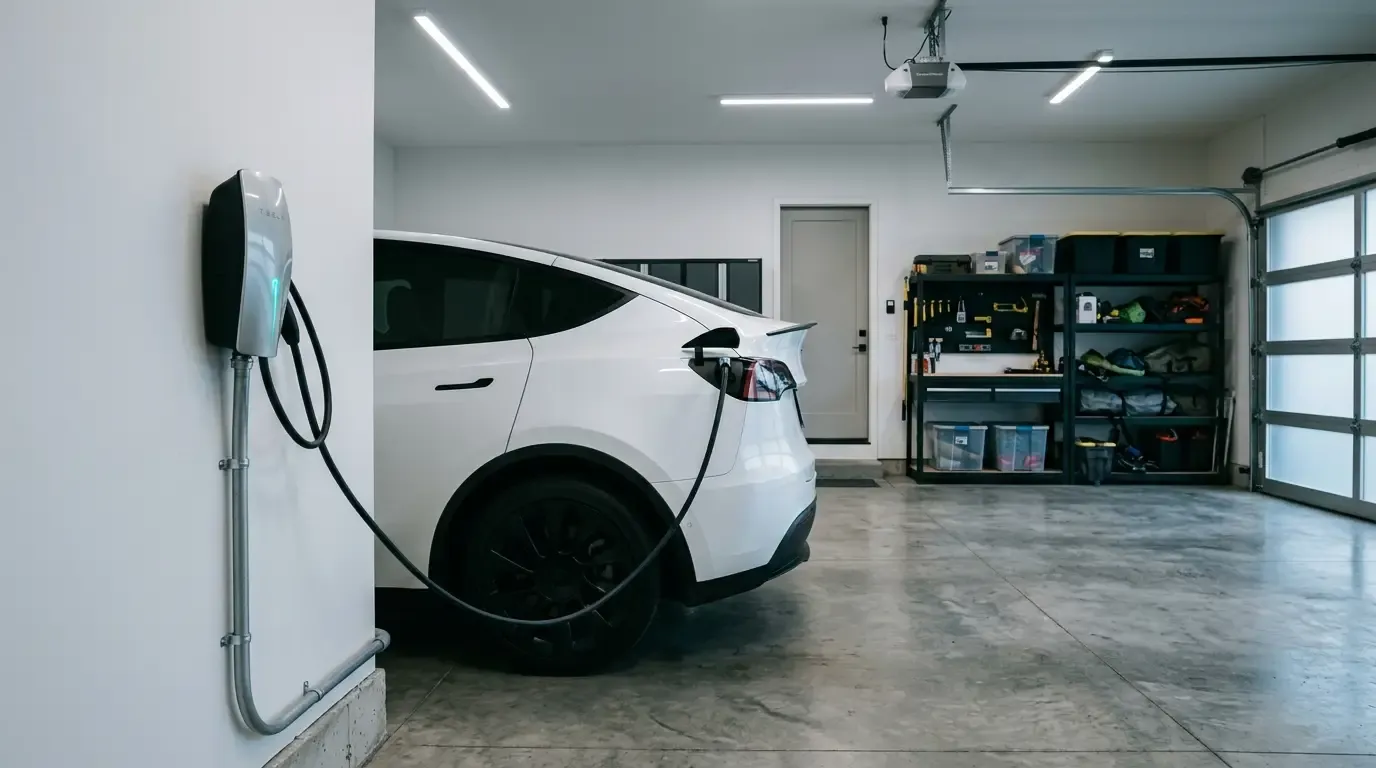
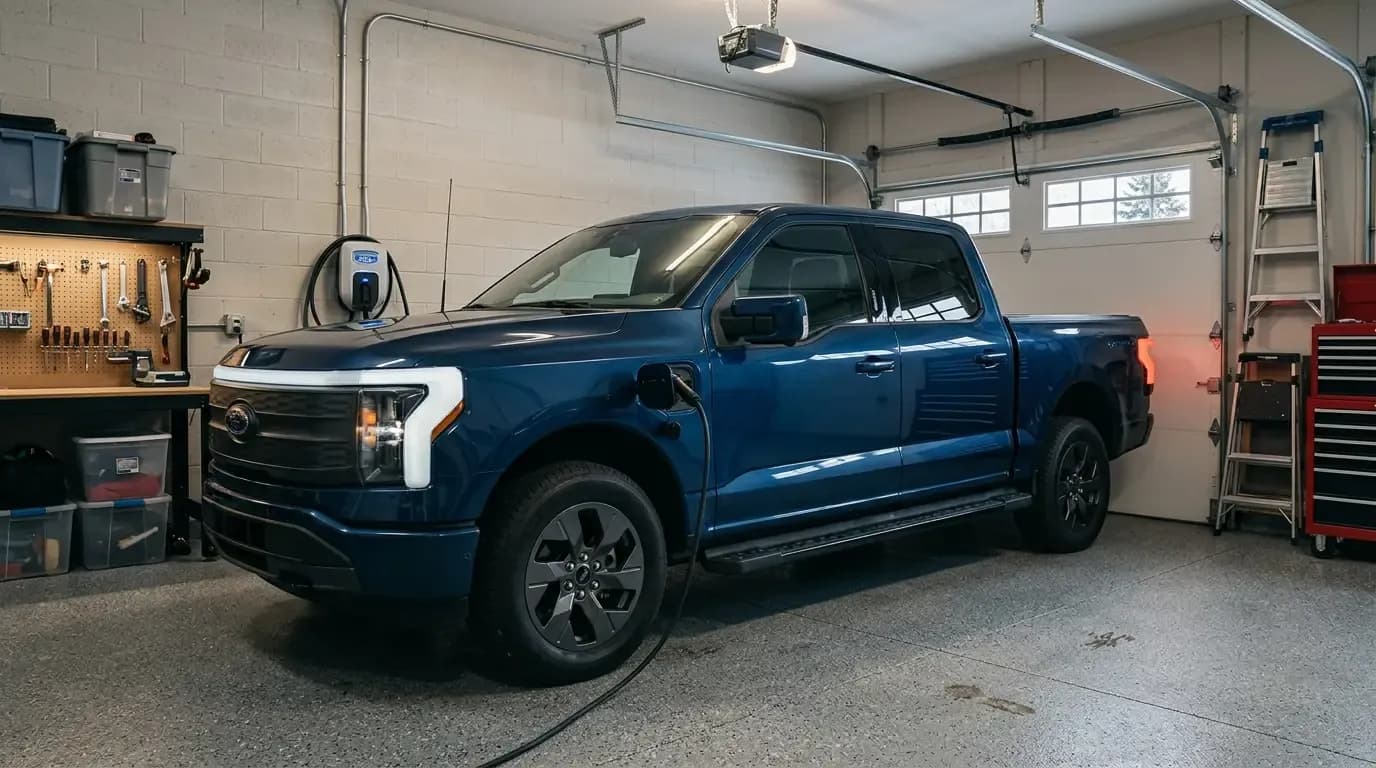
The rebate exists. It is available to many Minnesota homeowners who install a qualifying Level 2 charger through their utility provider. The money is not hard to access when the steps are followed correctly. The problem is that the steps are not always explained at the right moment. A homeowner who installs a charger in March may not learn about a rebate program until July. The submission window may have already passed. A homeowner who installs first and asks questions later may find the charger model does not qualify, the receipt was not in the right format, or the installation was not permitted as the program requires.
What Xcel Energy offers and who qualifies
Xcel Energy serves a large portion of the Twin Cities metro and other Minnesota communities. Their residential EV charger rebate program covers customers who install a qualifying Level 2 EVSE. The program requires that the charger model is on an eligible equipment list, that the installation is performed by a licensed electrician, that a permit was pulled for the work, and that the application is submitted within the program window after installation. Some programs also require enrollment in an EV rate schedule. These details are available through the utility website and through installers who regularly complete rebate-assisted projects.
Other Minnesota utilities with EV programs
Xcel Energy is not the only Minnesota utility with an EV charger program. Dakota Electric Association, Connexus Energy, and other cooperatives operate their own programs with different rebate amounts, equipment lists, and timelines. A homeowner served by one of these utilities may have access to a rebate with different terms than Xcel. The utility serving the address is the first place to look. A homeowner in Burnsville or Lakeville may be served by Dakota Electric instead of Xcel, with a different rebate program attached to their account.
Federal incentives on top of the utility rebate
The residential clean energy credit, sometimes called the 30C tax credit, provides a federal income tax credit for qualifying EV charger installations. As of 2026, this credit applies to a percentage of the qualified installation cost including both the charger equipment and the electrical work. Combining a utility rebate with the federal credit can meaningfully reduce the net cost of a Level 2 installation. An installation that seemed expensive before rebates can look very different after them. A tax professional should be consulted about how the federal credit applies to the specific situation.
The documentation that must exist before installation ends
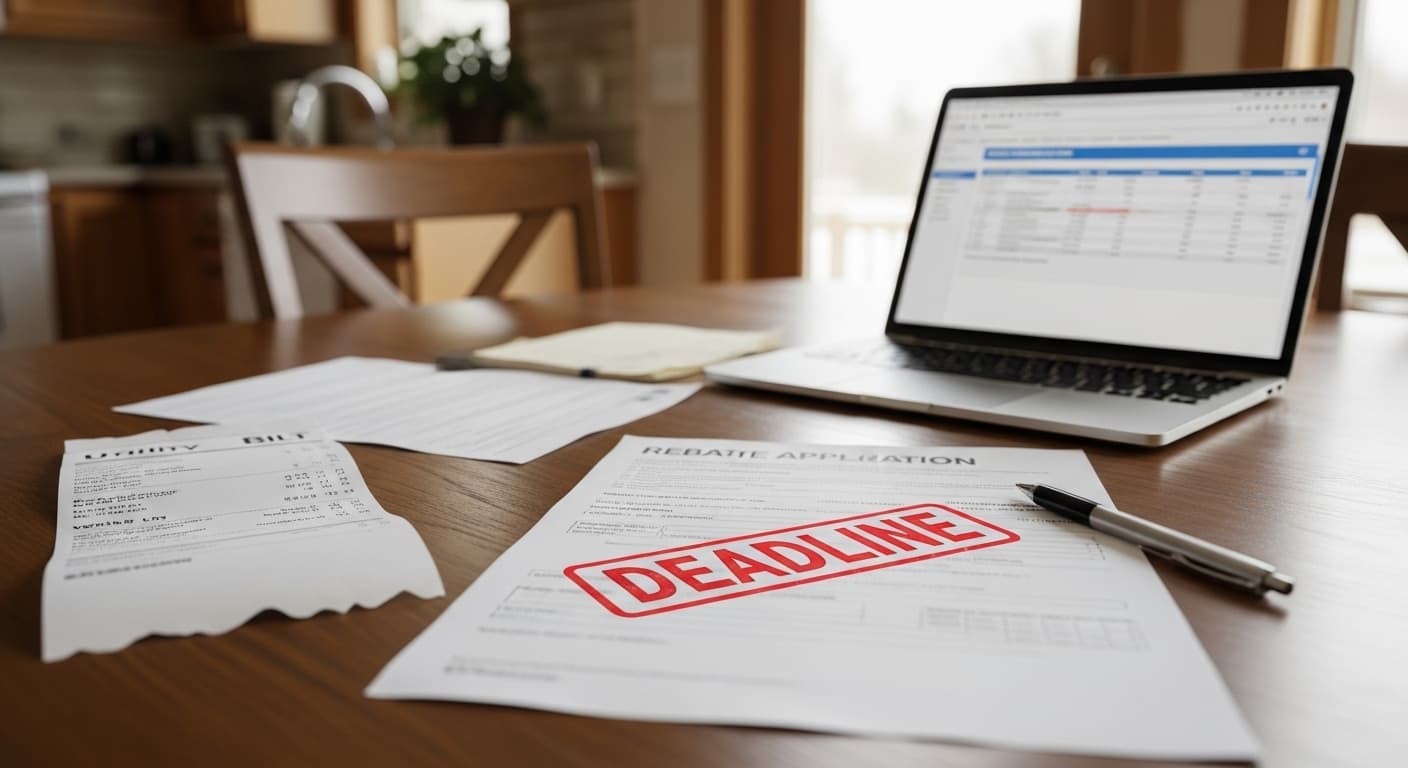
Rebate programs have documentation requirements that are easier to satisfy before the installer leaves than after. The most common requirements are the charger purchase receipt showing the model number and serial number, the installation invoice with labor detail, a copy of the electrical permit, and in some cases a photo of the installed equipment. The permit is particularly important because it creates the official record that the work was done legally and inspected. Many programs explicitly require it. An installer who regularly processes rebate applications will know which documents are needed and can often include the rebate submission as part of the project scope.
The submission timing that catches people off guard
Utility rebate programs have submission windows. Some require the application within 30 days of installation. Others allow up to 90 or 180 days. Some programs run on annual funding cycles and close when the allocation is exhausted, regardless of when the installation happened. A homeowner who installs in November and waits until February to think about the rebate may find the submission window has closed. The safest approach is to identify the program and confirm the submission window before scheduling the installation.
Why the charger brand and model matter
Utility rebate programs typically maintain an approved equipment list. Charger models that appear on the list qualify. Models that are not listed may not qualify even if they are technically comparable. A buyer who purchases a charger independently may unknowingly buy a model that is not on the utility's eligible list. The result is a complete installation that is not eligible for the rebate simply because of a hardware choice. An installer familiar with utility programs can confirm whether the proposed charger model qualifies before the purchase is made.
The combined math that changes the decision
A homeowner who claims a utility rebate and the federal 30C credit on a professionally installed Level 2 system may reduce the net out of pocket cost significantly compared with what the upfront quote suggested. The key is that neither the utility rebate nor the federal credit applies automatically. Both require deliberate steps: choosing an eligible charger, using a permitted installation, collecting the right documentation, and filing within the required window. Most owners who miss the rebate do so not because they tried and failed, but because they didn't know to try.
Next step
Ready to plan your install?
Validate panel capacity, circuit path, and mounting location before installation day. Get a clear scope in writing.