The big number gets attention for a reason
AFDC describes DC fast charging as capable of adding roughly 100 to 200 plus miles of range in 30 minutes, depending on the vehicle, charger, and battery state. Some DC fast charging equipment can reach power outputs up to 500 kW. Those numbers are impressive, and they matter for highway travel, fleet planning, and public charging corridors. They are not the right starting point for a home garage. Home charging has a different job. It does not need to win a speed contest. It needs to restore daily range while the car is parked, fit the electrical service safely, pass inspection, and be simple enough that every driver in the household can use it without thinking.
Fast charging is for the exception, not the routine
Most owners love knowing fast chargers exist because they make road trips and unusual days easier. That does not mean fast charging should define the daily plan. Public fast charging usually requires a stop, a payment session, and time away from home. Home charging happens while the owner is already doing something else. The car is parked during dinner, sleep, and morning routines. A good home setup turns that parked time into recovered range. That is why many experienced EV owners care less about peak charging power over time. They care about whether the car is ready when they leave. A calm Level 2 routine can reduce the number of fast charging visits and make EV ownership feel more like charging a phone overnight.
Battery state changes the fast charging story
Fast charging numbers are not fixed promises. Charging speed changes with battery state, temperature, vehicle limits, and charger conditions. Many EVs charge faster at lower battery percentages and slow down as the battery fills. Cold weather can also affect how quickly the battery accepts power. That is normal, but it means the headline number is not the same as every session. Home charging is different because the expectation is usually overnight recovery rather than a 30 minute sprint. If the car has 8 to 12 hours parked at home, the charger can work steadily without chasing peak speed. That steady approach is often easier on the owner’s schedule and more predictable for daily life.
Why Level 2 is usually the better daily tool
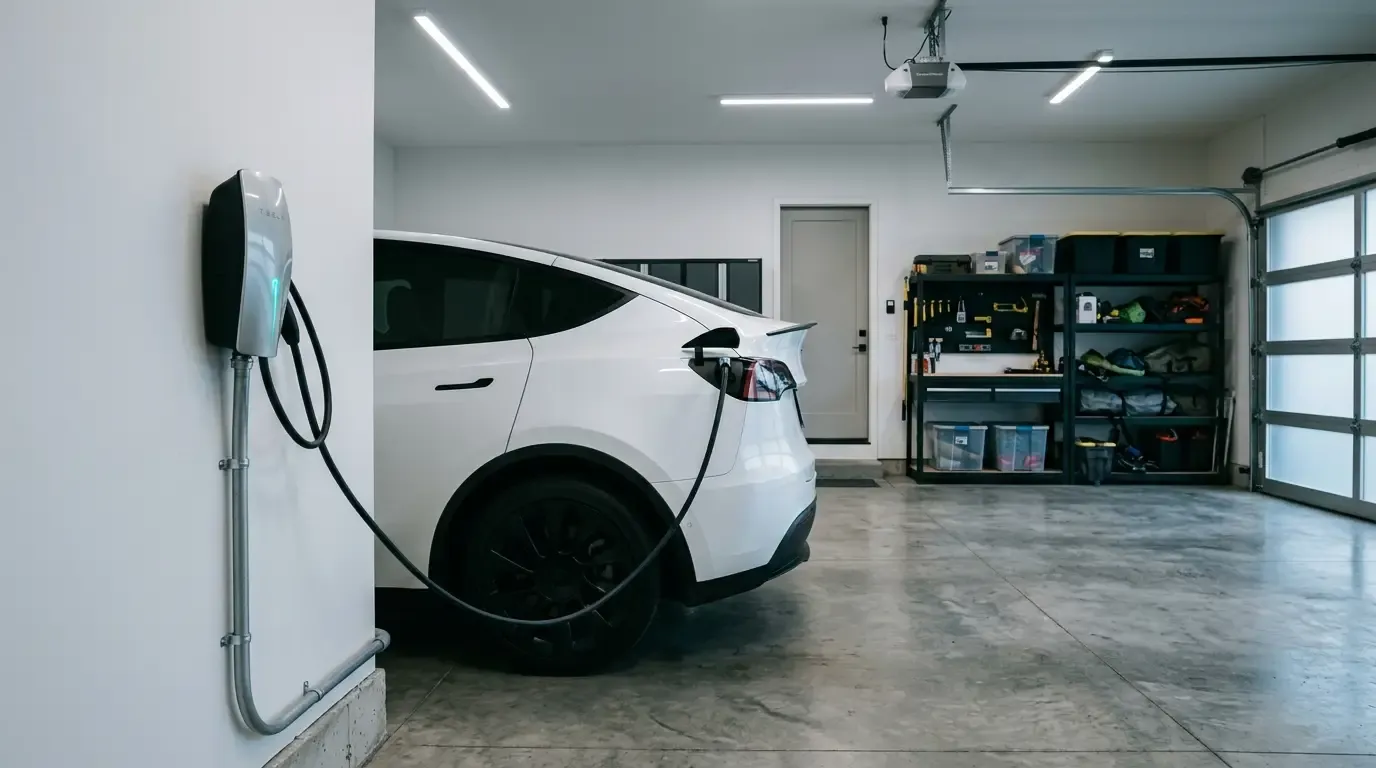
Level 2 charging is built for ordinary use. It can add about 25 miles of range per hour under common AFDC planning estimates, which is enough for many owners when the car parks overnight. It uses residential 240V service rather than the high power equipment used by DC fast chargers. It can be installed in a garage, driveway, or dedicated parking area when the electrical plan supports it. The owner plugs in at home and the car recovers range without a special trip. That daily convenience is the real advantage. A public fast charger may save a road trip day, but a home Level 2 charger can improve every normal week.
The cost question is different at home
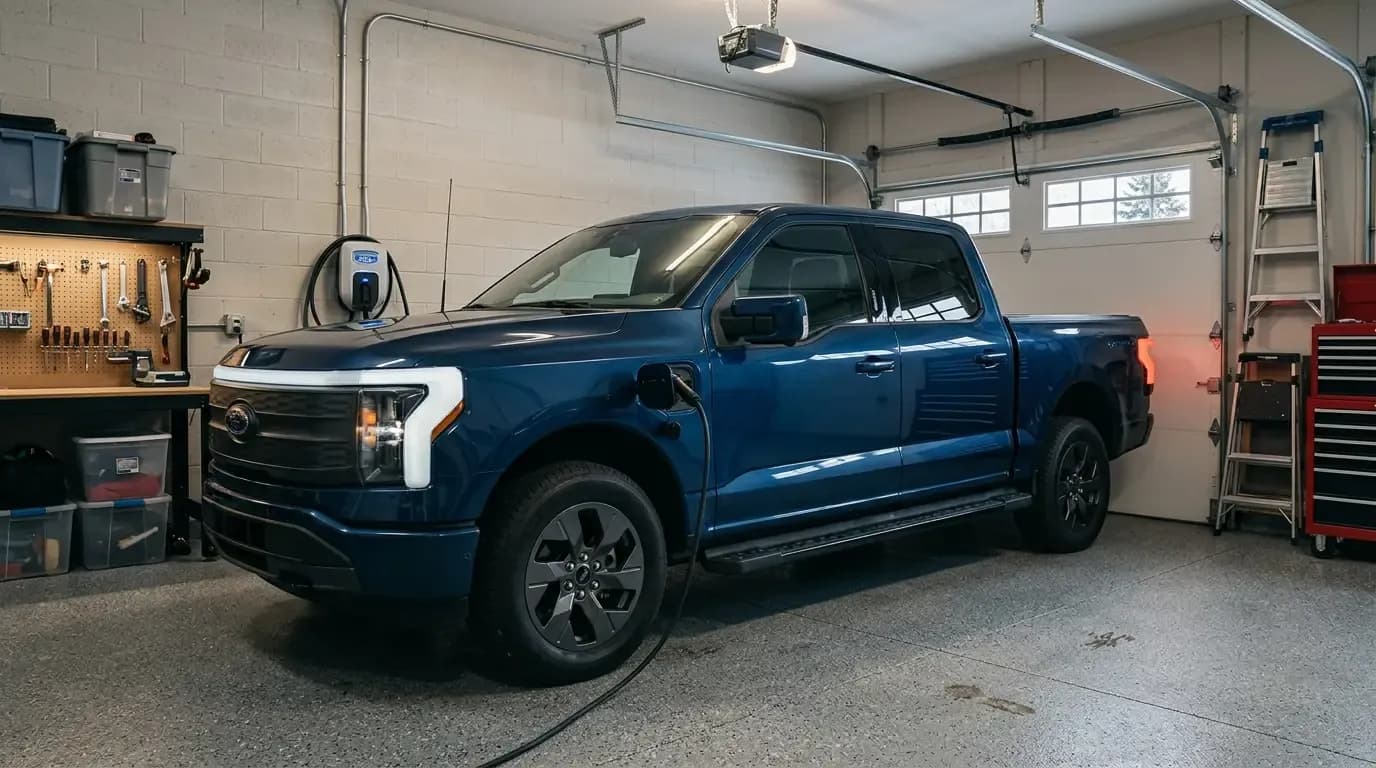
A homeowner does not need to recreate a public charging station. The cost, utility requirements, and equipment category are completely different. The practical decision is how much Level 2 capacity the home needs. A moderate circuit may be plenty for a daily commuter. A higher output setup may make sense for a truck, a long commute, or two EVs. Some homes need load management to avoid a larger panel upgrade. Others can support the desired circuit cleanly. This is where a written scope matters. It should explain what the proposed setup will restore during a normal night, what electrical work is included, and what limitations remain. That is more useful than comparing your garage to a highway charging plaza.
Road trips still need a different mindset
Home charging does not remove the need to understand public charging. A driver still benefits from knowing where reliable fast chargers are located, how the vehicle route planner works, and how weather affects range. The difference is that public fast charging becomes a trip tool rather than a weekly chore. If the home setup covers daily driving, fast charging is saved for longer days, travel, and unusual schedule changes. That makes the whole EV experience easier. You are not competing for a public charger after work because the car is low again. You are using public charging only when the trip actually calls for it.
The right home number is personal
The best home charger output depends on the owner. Start with the longest normal driving day, not the average day only. Then look at how long the car parks before the next drive. Add winter cushion for Minnesota. Consider whether a second EV is likely. Review the vehicle’s onboard AC charging limit so the circuit is not larger than the car can use well. Finally, confirm what the panel can support. This process turns a big public charging conversation into a practical home decision. If a moderate Level 2 circuit restores the range you need, that may be the smartest choice. If it does not, there are options to review before jumping to the most expensive path.
Why daily charging should feel boring
The best home charging setup is not dramatic. It is quiet, predictable, and easy. The cable reaches without being stretched. The charger is mounted where snow, storage, and foot traffic do not make it annoying. The circuit is permitted and inspected. The app schedule is explained. The owner knows how to override the schedule when needed. The system simply works. That is very different from the fast charging mindset, where the driver watches time, power, and battery percentage. At home, boring is good. It means the charging system has become part of the house, not another task. That is the practical win most new owners are really looking for.
The daily plan and the road trip plan can both be right
There is no need to choose between appreciating DC fast charging and installing a sensible home charger. They solve different problems. Fast charging helps when distance and time matter. Home charging helps because the car is already parked. A strong EV ownership plan uses both. For most days, the car charges at home on a reliable Level 2 setup. For longer trips, the driver uses public fast charging as needed. When those roles are clear, the home installation becomes easier to right size. You are not trying to buy a road trip station for the garage. You are building the daily foundation that makes public charging less necessary.
What to ask before choosing the charger
Before choosing equipment, ask how often the car will need public charging if the home setup is installed as proposed. If the answer is still several times a month for normal driving, the plan may be too small for the household. If public charging becomes mostly a road trip tool, the home setup is probably doing its job. Also ask what happens if your next EV has a larger battery or a different charge port location. A little future thinking can prevent another installation visit. The best home charger choice should make daily driving easier now while leaving reasonable room for the next vehicle.
Next step
Ready to plan your install?
Validate panel capacity, circuit path, and mounting location before installation day. Get a clear scope in writing.