The small number that changes the first week of ownership
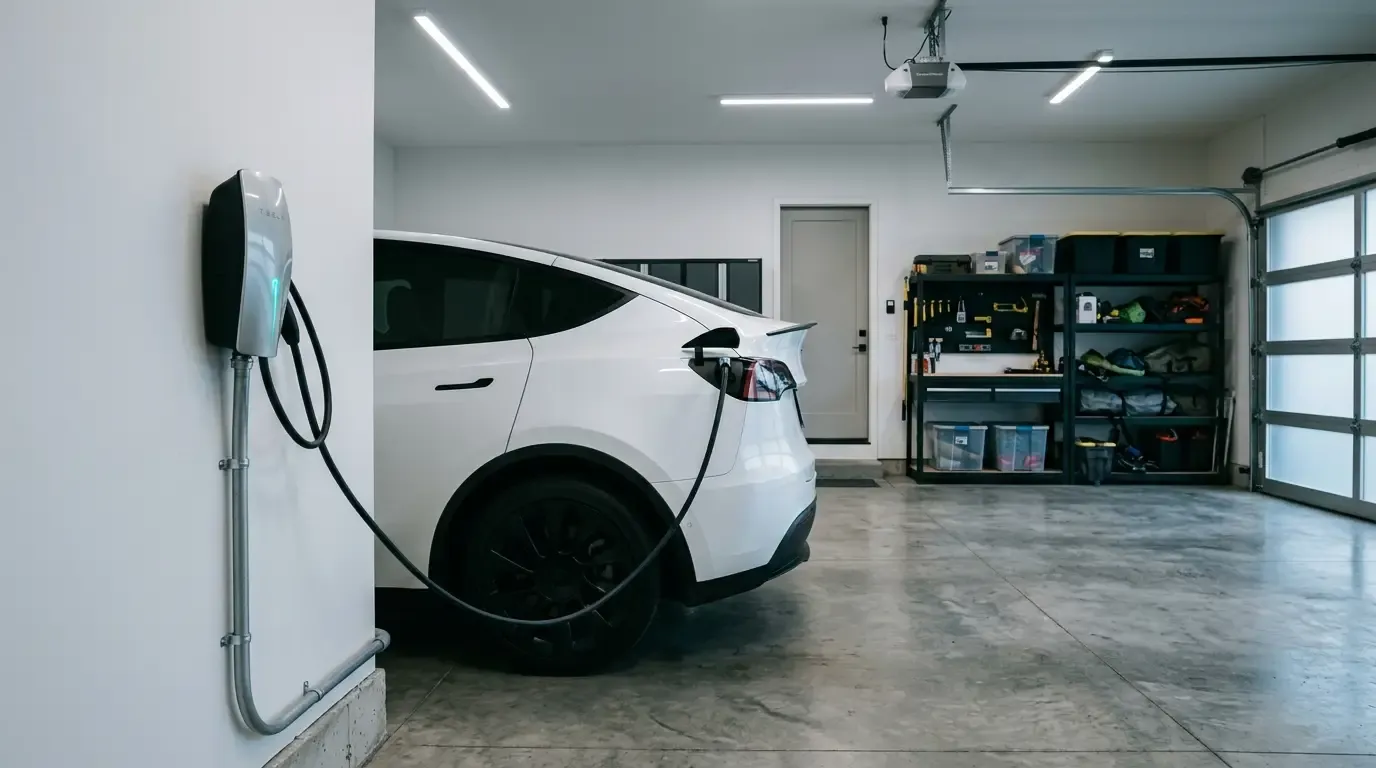
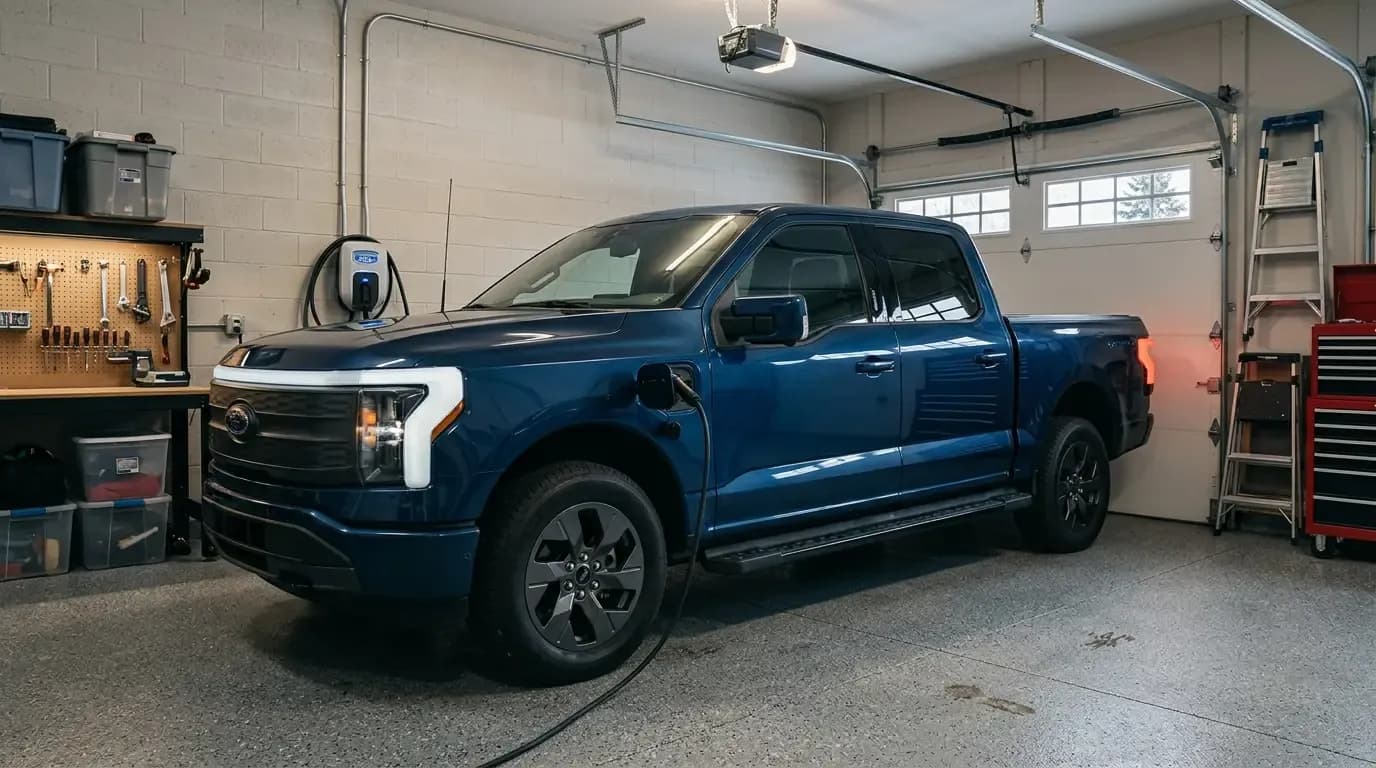
A new EV usually feels simple on delivery day. You bring it home, plug into the outlet that is already in the garage, and assume the car will be ready by morning. The surprise comes after a few real days of driving. The U.S. Alternative Fuels Data Center uses about 5 miles of range per hour as the planning estimate for Level 1 charging. That means an 8 hour overnight charge may add about 40 miles for a mid size EV. For a short commute, that can be fine. For a Minnesota household with errands, school drop offs, winter preconditioning, and weekend driving, it can feel tight very quickly. The problem is not that Level 1 never works. The problem is that many owners do not realize how narrow the margin is until they already have the car in the garage.
Why 40 miles overnight can sound better than it feels
Forty miles recovered overnight sounds useful, and for some owners it is. The trouble starts when daily driving is not perfectly predictable. A commute to work, a stop at the grocery store, a kids activity, and one unexpected evening trip can use more range than the outlet restores. Then the car begins the next day lower than expected. After a few days, the driver is watching the battery percentage instead of enjoying the vehicle. Minnesota weather makes this more noticeable because cold mornings can add cabin heat, battery conditioning, and less efficient short trips. Level 1 is not a failure. It is a slow refill. Once owners understand that distinction, the home charging decision becomes clearer. You are not only asking whether the car can charge. You are asking whether the charger can restore your normal life before tomorrow morning.
The households that outgrow Level 1 first
The first group to outgrow a standard outlet is usually the long commute household. If someone drives 45 to 70 miles on a normal workday, a 5 mile per hour charging pace leaves almost no cushion. The second group is the two driver household where the EV is used by whoever has the longer trip that day. The third group is the household that plans to add another EV within a year or two. A single outlet may work for one car that is driven lightly, but it becomes a bottleneck when charging needs are shared. Detached garages also create questions because the existing circuit may not be dedicated, may be older, or may already serve lights, tools, and openers. Before assuming the outlet is enough, it is worth looking at how the household actually uses the vehicle during a busy week.
When a standard outlet can still be the right answer
There are situations where Level 1 charging is perfectly reasonable. A driver who travels only a few miles per day, works from home, and has access to workplace or public charging may not need a dedicated Level 2 installation right away. A plug in hybrid owner may also be comfortable with a slower nightly refill because the battery is smaller and gasoline backup exists. The key is to decide based on driving pattern instead of hope. If the vehicle usually sits for 12 to 14 hours and only needs a small amount of range restored, Level 1 may be a practical bridge. If the owner expects the EV to replace most household driving, the outlet should be treated as a temporary starting point. That honest distinction prevents frustration and avoids spending money before the real need is understood.
Why panel capacity matters before charger shopping
Many new owners start by comparing charger brands, app features, and cord length. Those details matter, but the electrical panel decides what can be installed safely. A Level 2 charger needs a dedicated circuit sized for the equipment and the continuous load. Older Minnesota homes may have panels that are already serving electric ranges, dryers, air conditioning, workshop circuits, or finished basement loads. That does not automatically mean a panel upgrade is required. It does mean the load calculation should happen before the charger is selected. Some homes can support a strong Level 2 setup without major changes. Others may need load management, a smaller circuit, or a panel upgrade. The expensive mistake is buying hardware first and discovering later that the panel plan does not match the charger sitting in the box.
The garage details that change the quote
A useful quote needs more than the year, make, and model of the EV. The installer needs to know where the panel is, where the vehicle parks, whether the garage is attached or detached, and how the wire path would likely run. A charger mounted three feet from the panel is a very different project from a charger on the far side of a finished garage. Detached garages can involve trenching, subpanel review, or older feeder questions. Finished walls can change labor. Outdoor parking can require weather rated placement and careful cable routing. These details affect cost more than many owners expect. Before asking for a number, take clear photos of the panel, the parking space, the wall where the charger might go, and the path between them. Those photos save time and make the first estimate far more realistic.
Cold weather makes slow charging more noticeable
Minnesota winter does not make Level 1 useless, but it does make slow charging harder to ignore. Cold batteries can charge differently, short trips use more energy for heat, and drivers often want the vehicle ready with cabin preconditioning before leaving. If the car only gains a small amount of range overnight, the owner may feel forced to reduce comfort settings or visit a public charger more often. A reliable Level 2 setup gives the owner more room to use the vehicle normally. It also makes preconditioning easier because the car can draw from the charger while plugged in. That is why winter planning should happen before winter. If the first cold week is when the owner realizes the outlet is not keeping up, scheduling, permits, and parts may all feel more urgent.
How to decide without overbuying
The answer is not always the largest charger possible. The better answer is the smallest reliable setup that restores your daily driving with room for real life. Start with average miles per day, longest weekly drive, winter use, parking time, and whether a second EV is likely. Then match the circuit to the car and the panel. A driver who needs 30 miles restored each night has a different need than someone who drives 90 miles and leaves early every morning. A good installer should explain the tradeoffs in plain language. You should know what the charger can deliver, what the vehicle can accept, what the panel can support, and what future changes might cost. That turns home charging from a guess into a plan.
What to do before the car arrives
The best time to check charging is before delivery day. Take photos of the panel with the door open, the garage wall near the parking spot, the driveway if the car parks outside, and any detached garage feeder equipment. Write down the main breaker size if it is visible. Note whether major electric appliances are already in the home. Then ask for an EV readiness review before buying the charger. If Level 1 is enough, you will know that with confidence. If Level 2 is the better fit, you will have time to schedule the work, pull the permit, and avoid living with a slow temporary setup for weeks. The goal is simple. The car should fit your routine, not force your routine to fit the outlet.
Next step
Ready to plan your install?
Validate panel capacity, circuit path, and mounting location before installation day. Get a clear scope in writing.