Why 25 miles per hour feels different at home
AFDC estimates Level 2 charging at about 25 miles of range per hour. That number is important because it turns charging into something most owners can stop thinking about. A car that comes home after a normal day can usually recover meaningful range while the owner eats dinner, sleeps, and gets ready for the next morning. Compared with the 5 mile per hour planning estimate for Level 1, Level 2 is roughly five times faster by this simple range measure. That difference is not about bragging rights. It is about having enough cushion for errands, a longer commute, a cold morning, or a surprise trip across town. When people say home charging changed their EV experience, this is often what they mean. The car becomes ready in the background instead of becoming another item to manage.
The best Level 2 setup starts with your routine
A smart Level 2 plan begins with how the vehicle is used, not with the largest number printed on a charger box. A driver who travels 25 miles a day may need a different setup than a driver who travels 80 miles and has little time between trips. The vehicle battery size, onboard charger limit, parking time, and utility schedule all matter. Some owners are well served by a moderate circuit that restores daily range overnight. Others benefit from higher output because the vehicle is used heavily or shared by multiple drivers. The right question is not simply how fast the charger can be. The right question is how much range must be recovered before the next realistic departure. That keeps the project focused on comfort, reliability, and cost control.
Why 240V planning should happen before hardware shopping
Many homeowners start by choosing a charger online. That can work, but it often creates rework. A 240V charger still needs a safe circuit, proper breaker sizing, correct wire, suitable mounting, and a permit path. If the panel does not have enough headroom for the charger selected, the owner may need a different circuit size, load management, or panel work. A charger with smart features cannot solve an undersized electrical plan by itself. Before buying hardware, it is better to confirm the panel, the garage layout, and the charging goal. Then the charger choice becomes easier. You can select equipment that fits the home rather than trying to force the home to fit equipment that was chosen too early.
The panel is the quiet decision maker
The electrical panel is often the part of the project owners think about least, but it controls most of the decision. A Minnesota home with a modern panel and available capacity may support a clean Level 2 installation with a direct circuit route. An older home with a full panel, electric appliances, or a detached garage may need more planning. That does not always mean a costly upgrade. Load calculations can show whether the home has room. Load management can sometimes allow safe charging without increasing service size. A subpanel may make sense in some garages. The point is to ask early. A clear panel review can turn a vague quote into a real scope, and it can prevent the owner from assuming the worst or expecting too much.
Why maximum amperage is not always the smartest choice
A higher amp charger can be useful, but bigger is not automatically better. Some EVs cannot use the full output of the largest residential chargers. Some households do not need that much range recovered overnight. Some panels can support a moderate circuit more cleanly than a larger one. A right sized installation can cost less, pass inspection smoothly, and still make the car ready every morning. The best installer should explain what each circuit size means in real life. How many miles could it restore during a normal parking window. What would it cost now. What would it make possible later. With that information, the owner can choose a setup that fits the household instead of buying the biggest number because it sounds safer.
Smart scheduling can make Level 2 even better
Level 2 charging gives owners enough speed to use charging schedules instead of plugging in and hoping. Many drivers prefer to charge overnight when the car is parked longest. Some utility plans may reward off peak use or require specific equipment for a program. Even when rates do not change much, scheduled charging can reduce the chance of charging during busy household electrical periods. It can also help the car finish closer to the morning drive. Smart features are useful when they are installed and explained correctly. During handoff, the owner should understand how to start a charge, pause a charge, set a schedule, and override the schedule when needed. A charger that is technically smart but poorly explained often becomes frustrating.
Garage layout matters more than most people expect
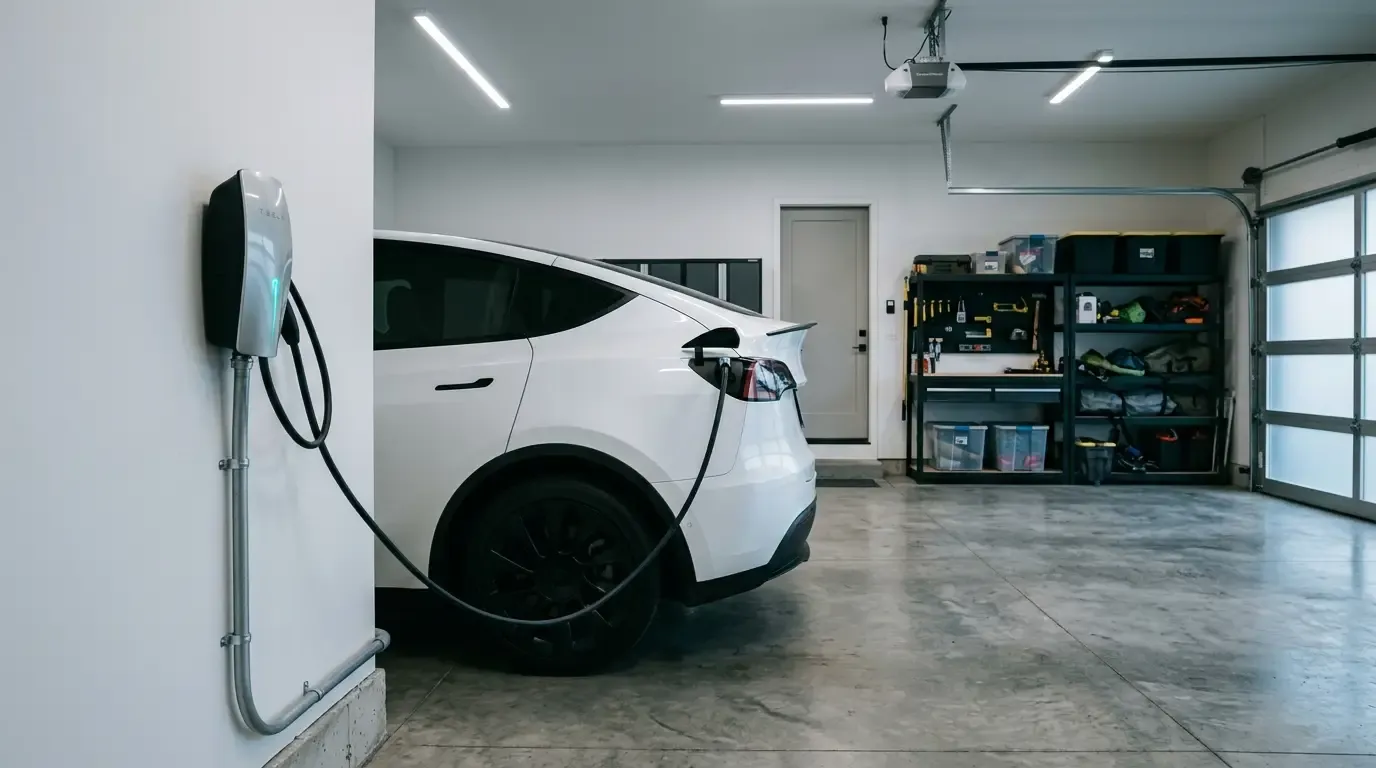
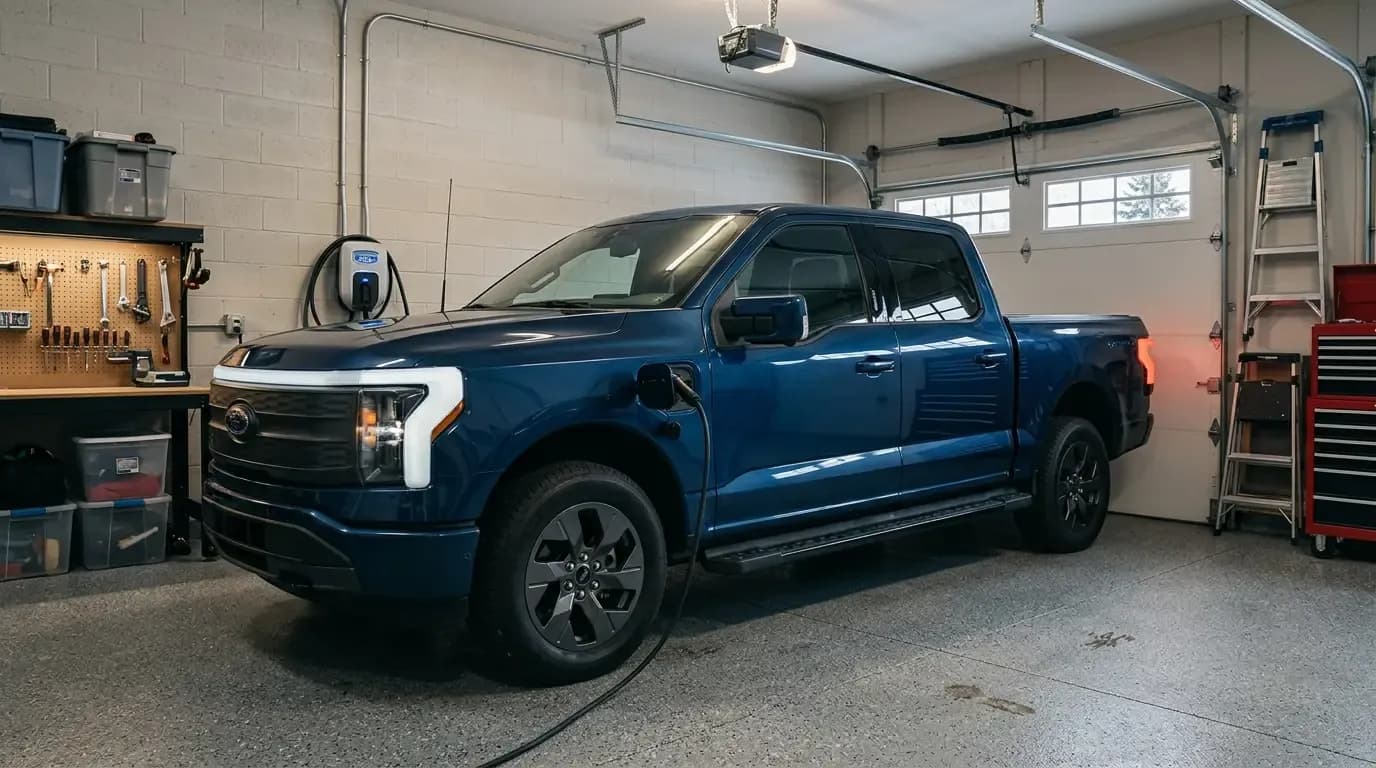
A Level 2 charger should be placed where the cable reaches comfortably without becoming a trip hazard or a daily annoyance. The best wall location depends on where the charge port sits on the vehicle, how the car parks, whether another car shares the garage, and whether the owner may switch vehicle brands later. A charger mounted too far back can make the cable stretch across the floor. A charger mounted near storage shelves can be blocked during winter. Outdoor parking adds weather and snow access questions. Good installation planning looks at how the owner actually uses the space. The charger should feel natural every day, not only look good in a photo after installation.
What a good written scope should include
A Level 2 quote should explain more than price. It should identify the charger location, circuit size, approximate routing, permit responsibility, inspection expectations, and any assumptions about panel capacity. If the quote depends on a later panel review, that should be clear. If the project may require drywall access, trenching, load management, or a service upgrade, the owner should know before scheduling. A clear scope protects both sides. The homeowner understands what is included, and the installer can plan the correct materials and time. The cheapest quote is not always the best value if it leaves permit work, inspection, or hidden electrical constraints unclear.
The simple homeowner test
A good Level 2 setup passes a simple test. Can the vehicle recover the range you normally use before you need it again, with enough cushion for weather and schedule changes. If the answer is yes, the system is doing its job. If the answer requires constant monitoring, public charging backup, or changes to normal driving, the setup is probably too limited. Level 2 wins at home because it brings charging into the rhythm of daily life. You plug in after work, the car charges while parked, and the next day begins without a range conversation. That is the practical value behind the 25 mile per hour number.
Next step
Ready to plan your install?
Validate panel capacity, circuit path, and mounting location before installation day. Get a clear scope in writing.