The public charging number worth paying attention to
AFDC reported that nearly 80 percent of public EV charging ports in the United States were Level 2 as of 2023. That number matters because public infrastructure is built around practical use. Level 2 is not the fastest option, and it is not the slowest option. It sits in the middle where many real charging sessions actually happen. Drivers park at work, stores, apartments, hotels, and public lots for longer periods. Level 2 fits that dwell time. Homeowners can learn from the same pattern. At home, the vehicle usually sits for the longest stretch of the day. That makes Level 2 a strong daily charging choice because it can restore useful range without the cost and complexity of public fast charging equipment.
Why Level 2 became the practical middle ground
Level 2 charging works because it balances speed, electrical demand, equipment cost, and installation reality. Level 1 is simple but slow. DC fast charging is powerful but expensive and built for travel corridors or high traffic sites. Level 2 fills the daily use gap. It can add about 25 miles of range per hour under common planning estimates. That is enough to support overnight home charging, workplace charging during a shift, or destination charging during a longer visit. The same balance is useful in a Minnesota garage. Most owners do not need a highway charging station at home. They need a dependable way to recover daily miles while the car is already parked. Level 2 usually does that without turning the house into a commercial charging site.
Dwell time is the hidden reason Level 2 works
Charging makes more sense when it matches the time a vehicle is already parked. That is called dwell time, and home has more of it than almost anywhere else. A car may sit in the garage from 6 in the evening until 7 the next morning. Even a moderate Level 2 setup can recover a lot of range during that window. Public Level 2 stations use the same idea at offices, garages, hotels, and shopping areas where people naturally stay longer. Homeowners sometimes focus only on charger speed, but parking time is just as important. If the car sits for 10 to 12 hours, you do not need road trip speed. You need a safe circuit and a charger that works reliably during that long window.
What public infrastructure does not tell you
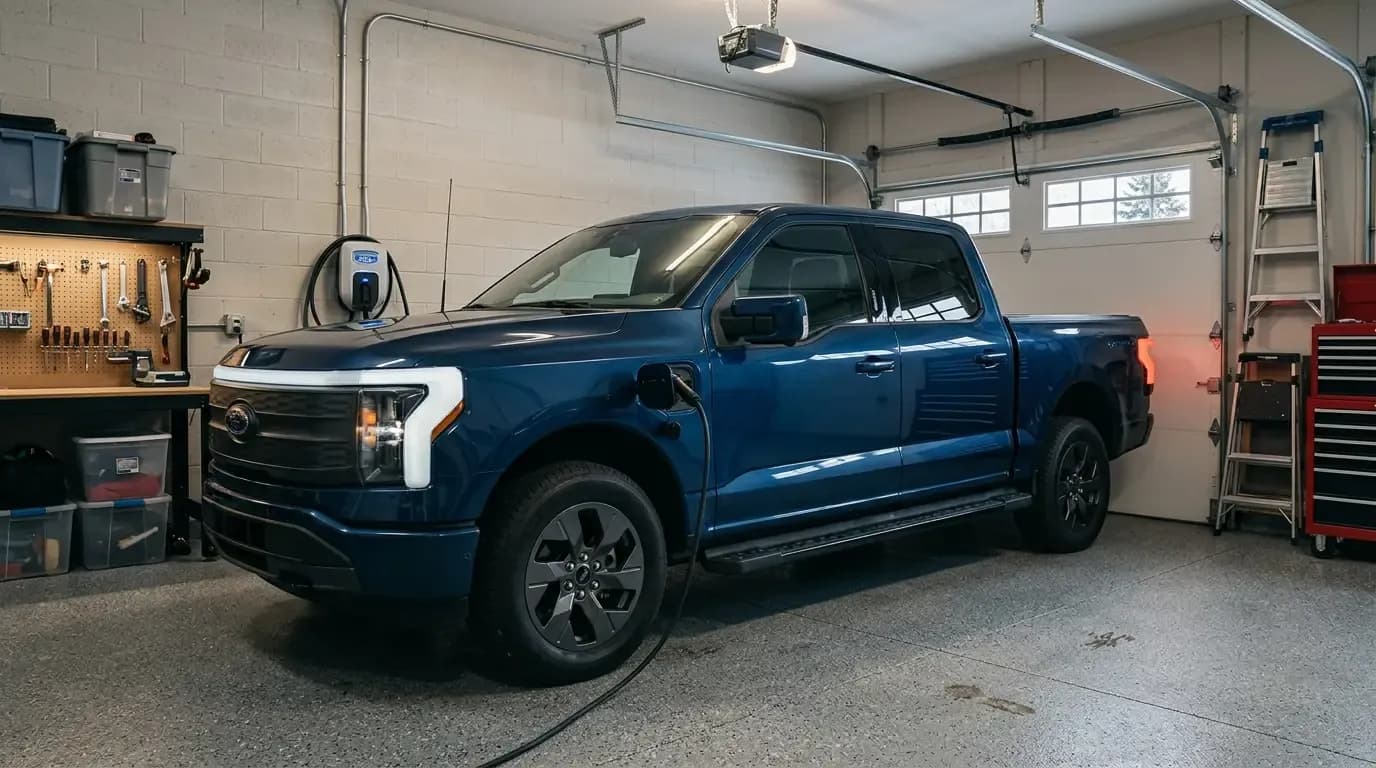
The nearly 80 percent number is useful, but it does not mean every home needs the same charger size. Public charging ports serve many drivers with different vehicles and habits. A home charger serves one household. That means the installation can be more personal. A short commute household may do well with a moderate Level 2 circuit. A household with a truck, long commute, or two EVs may need stronger planning. A detached garage may need more electrical review than an attached garage. A condo or townhome may need association approval. The public data points toward Level 2 as a practical category, but the final home design still depends on the property and the people who use it.
The workplace lesson for homeowners
Workplace charging is a good example of Level 2 logic. Employees park for hours, so the charger does not need to fill the battery in minutes. It needs to add meaningful range while the car is already sitting there. Home is similar, only more predictable. Most owners park at home nearly every night. That makes a well planned home Level 2 charger one of the most convenient parts of EV ownership. It can reduce public charging stops, lower range anxiety, and make the car feel ready without extra errands. The goal is not to copy a workplace installation. The goal is to use the same common sense. Match the charging speed to the natural parking window.
Why multifamily owners should also pay attention
The Level 2 pattern is especially important for apartments, condos, and HOA communities. Residents often park overnight, which is perfect for Level 2 charging. A property does not always need expensive fast charging to provide real value. It may need a phased plan, assigned charging, access control, billing rules, and load management. These are planning questions, not only hardware questions. For residents, the benefit is simple. Charging happens where the car sleeps. For property managers, Level 2 can support more residents without the cost profile of high power fast charging. The public charging mix shows that Level 2 is widely used because it fits daily behavior. Multifamily properties have that same daily behavior built in.
How this should shape a home quote
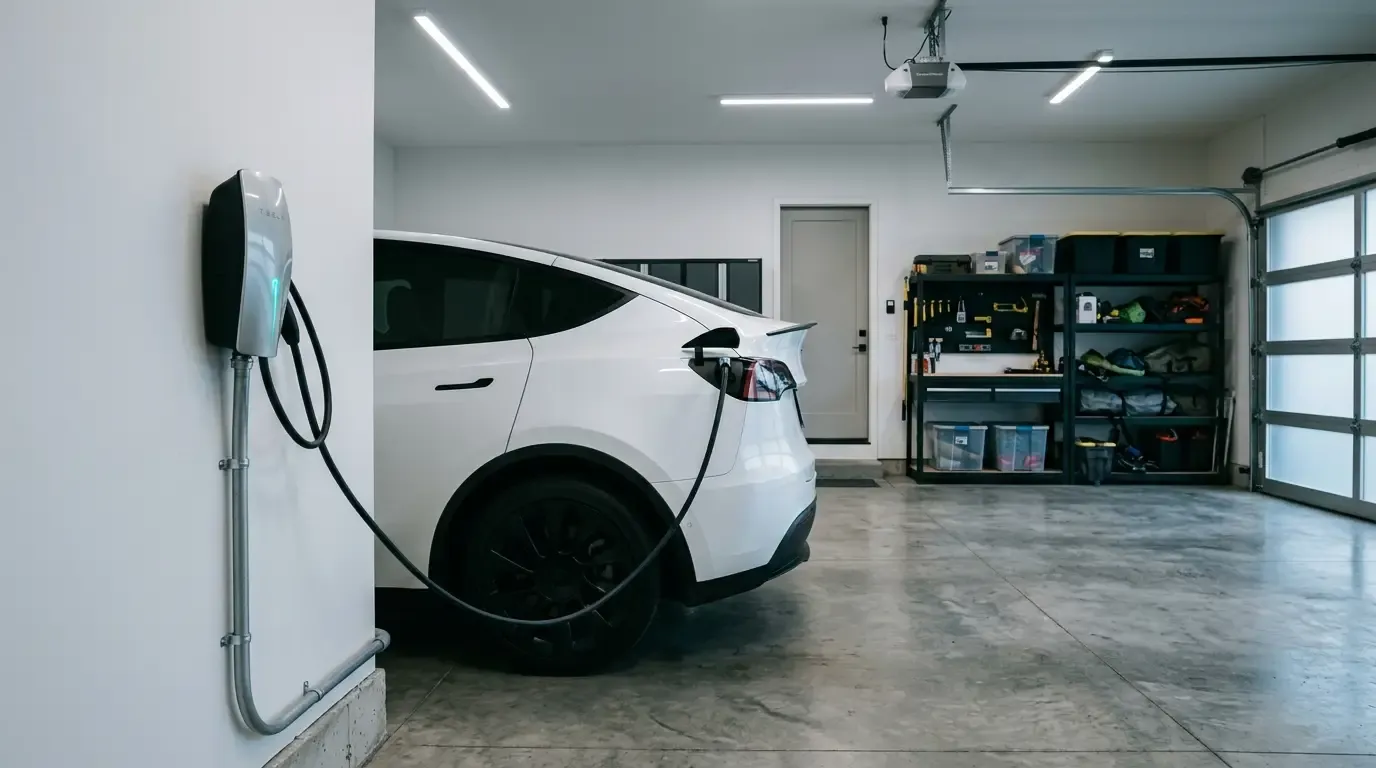
A homeowner should use the public charging number as a reminder to ask practical questions. What charging level fits my normal parking time. What circuit size matches my daily miles. What does my panel support safely. Where should the charger be mounted so the cable is easy to use. Is smart scheduling helpful for my utility plan. These questions produce a better result than simply asking for the fastest charger. A well scoped Level 2 installation should feel boring after it is installed. Plug in, park, wake up ready. That is the reason Level 2 dominates many real world charging locations. It fits ordinary life.
The mistake to avoid
The mistake is assuming there are only two choices. Some owners think the choice is either a slow wall outlet or the fastest possible charger. The real decision is more nuanced. Level 2 equipment can range in output, and the right setting depends on the car, circuit, panel, and owner schedule. A moderate Level 2 setup may be perfect for one home. A higher output setup may be worth it for another. Load management may help a third avoid a larger panel upgrade. Instead of chasing a category, ask for a plan. A good installer should translate the numbers into what they mean for your garage, your commute, and your next few years of vehicle ownership.
The homeowner takeaway from the 80 percent figure
Nearly 80 percent is not just trivia. It is a signal that Level 2 charging has become the practical backbone of everyday EV charging. For a homeowner, the lesson is not to copy public charging exactly. The lesson is to respect the balance that made Level 2 so common. It is fast enough to matter, flexible enough for many settings, and realistic enough for daily use. If you are planning home charging in 2026, start there. Confirm the panel, review the parking layout, choose a charger that matches the vehicle, and make sure the installation is permitted. That is how a big national charging pattern becomes a simple decision in a Minnesota garage.
Next step
Ready to plan your install?
Validate panel capacity, circuit path, and mounting location before installation day. Get a clear scope in writing.